Dubai Real Estate Demonstrates Resilience Amid Regional Conflict and Security Threats
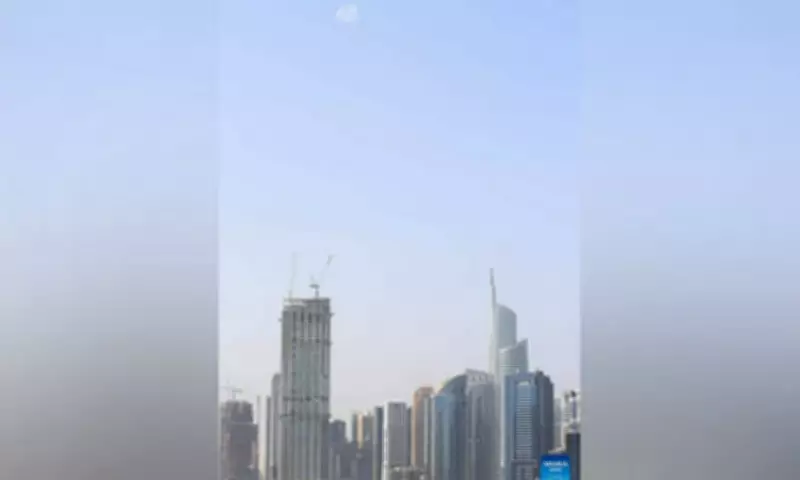
This image, captured on March 1, 2026, depicts the skyline over Dubai, United Arab Emirates (UAE). In a recent development, the UAE Ministry of Defense announced on Saturday that its air defense systems successfully intercepted and destroyed a new wave of Iranian missiles and drones targeting the country. Published on March 3, 2026, at 10:13 am, this event underscores heightened geopolitical tensions in the Middle East.
Business as Usual in Dubai Despite Escalating Conflicts
Despite these security challenges, business activity in Dubai remains steady, with the emirate's real estate sector continuing normal operations. According to May Antonette Leuterio, a licensed real estate broker in Dubai, commercial establishments, transport systems, and public services are functioning normally, reflecting the emirate's institutional resilience.
Leuterio attributes this stability to the UAE's long-term economic framework, which consistently emphasizes national security, economic diversification, and investor protection. "Dubai was built as a global hub for trade, tourism, finance, and real estate. Its systems operate on structure and long-term planning rather than reaction," she explained.

Leuterio, who serves as chief operating officer of Filipino Homes, recently secured her real estate broker license in Dubai. This move is part of efforts to market Dubai properties to Filipino investors and expand the firm's international reach.
Background of Regional Tensions and Economic Impact
The geopolitical context includes a major escalation on February 28, 2026, when Israel and the United States conducted a joint strike on several targets in Iran. In retaliation, Iran attacked multiple locations, including Bahrain, Kuwait, Qatar, and the UAE, where airbases hosting US assets are located.
While these developments may temper short-term investor sentiment or delay transaction timelines, Leuterio notes that Dubai's core investment fundamentals remain intact. She highlights that Dubai continues to attract foreign capital due to:
- Competitive rental yields
- A tax-efficient environment
- Advanced infrastructure
- A business-friendly regulatory regime
The absence of property taxes and the availability of freehold ownership in designated zones further enhance its appeal to international investors. Filipino buyers, in particular, remain active in exploring opportunities in Dubai, especially for income-generating properties and portfolio diversification.
Investor Confidence and Long-Term Growth Prospects
In periods of uncertainty, Leuterio observes that investors tend to gravitate toward markets with established governance structures and operational continuity. She adds that Dubai's long-term growth trajectory—supported by population expansion, sustained tourism inflows, and infrastructure development—continues to underpin demand in the property sector.
This resilience showcases how Dubai's strategic planning and robust economic policies help mitigate the impacts of regional conflicts, ensuring stability for both local and international stakeholders.