Cebu Strengthens Bid as Inclusive Mice Destination with Halal Certification Push
Cebu is intensifying its efforts to become a premier inclusive destination for meetings, incentives, conferences, and exhibitions (Mice) as hotels across the province actively pursue halal certification. This strategic move aligns with the Philippines' significant climb in the Global Muslim Travel Index, highlighting a national push to capture a larger share of the booming global Muslim travel market.
Unified Marketing and Certification Initiatives
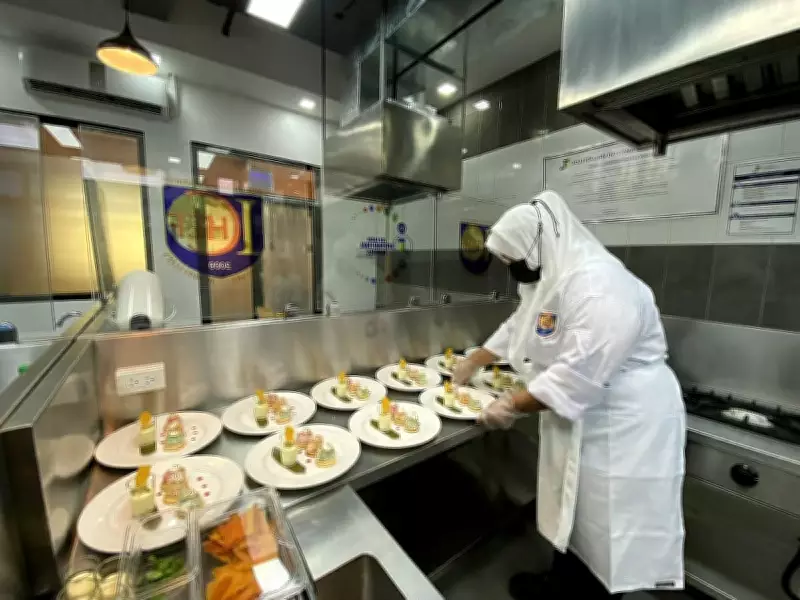
In an interview, Josef Chiongbian, vice president for internal affairs of the Cebu Mice Alliance, emphasized that industry players are collaborating to market Cebu as a cohesive destination rather than competing individually. This unified approach aims to attract larger business events and international delegates. Chiongbian noted that several hotel groups have already initiated or completed halal certification processes at their properties to better cater to Muslim travelers, while other resorts are currently working towards compliance.
The alliance is actively encouraging all Department of Tourism (DOT)-accredited establishments to pursue halal certification. This effort is designed to broaden Cebu's appeal, particularly in tapping the rapidly growing Muslim travel segment. The goal is to make Cebu not only leisure-ready but also inclusivity-ready, enhancing its competitiveness on the global stage.

Philippines Rises in Global Muslim Travel Index
The local initiatives in Cebu coincide with the Philippines' impressive rise to eighth place in the 2025 Global Muslim Travel Index among destinations outside the Organization of Islamic Cooperation, up from 12th in 2024. DOT data reveals a 21 percent increase in Muslim visitor arrivals, reaching 740,881 in 2025 from 613,329 in 2024. The country continues to draw steady traffic from Gulf Cooperation Council markets, with notable arrivals from the United Arab Emirates, Saudi Arabia, Qatar, Kuwait, Bahrain, and Oman.
The DOT attributes this improved ranking to ongoing efforts to expand halal-certified dining and Muslim-friendly accommodations nationwide. This progress underscores the country's commitment to becoming a more inclusive and attractive destination for Muslim travelers.
Institutionalizing Muslim-Friendly Standards
To support these efforts, the DOT has institutionalized its Muslim-Friendly Accredited Establishment (MFAE) Recognition Program under Memorandum Circular 2024-003. This program sets updated standards for hotels and other accommodation providers, requiring designated prayer spaces, appropriate ablution areas, halal or Muslim-friendly food options, and staff training to better understand the needs of Muslim guests.
As of December 9, 2025, there were 51 DOT-recognized MFAEs across the country. In Cebu, several hotels are part of this national initiative, including Savoy Hotel Mactan, Plantation Bay Resort and Spa, Summit Galleria Cebu, Sheraton Mactan Hotel, Quest Hotel, Bai Hotel, Fili Hotel NuStar Resort, and Belmont Hotel Mactan. These establishments are enhancing their halal-ready offerings to meet growing demand.
Additionally, the DOT is identifying potential qualifiers for its Muslim-Friendly Restaurant recognition program, with 289 establishments assessed nationwide. This initiative aims to improve transparency between genuinely halal-certified outlets and those that merely claim halal status, ensuring authenticity for travelers.
Trade Expos and Training Support
To reinforce the halal tourism ecosystem, the DOT has been staging the Halal Tourism and Trade Expo Philippines, branded as SALAAM. The 2025 edition generated approximately P1.8 million in sales, more than double the previous year's figure. The next expo is scheduled for June 19–21, 2026, further promoting halal products and services.
Capacity-building initiatives are also being rolled out for tourism stakeholders, covering halal fundamentals, certification processes, and deeper cultural understanding of Muslim travelers. These programs are in preparation for increased regional travel and the Philippines' hosting duties for ASEAN 2026, positioning the country as a leader in inclusive tourism.

Halal Ecozone Development
In a separate development, the Philippine Economic Zone Authority is moving to establish a halal-focused economic zone to attract investors and expand trade with Muslim-majority markets in Southeast Asia and the Middle East. The proposed ecozone will mirror established halal hubs in Penang, Brunei, and the United Arab Emirates.
This facility is envisioned as a dedicated center for the production, certification, and export of halal goods, supporting supply chain integration and global market access. The initiative forms part of the Philippine Halal Industry Development Strategic Plan, which aims to generate P230 billion in investments, create 120,000 jobs, and achieve 20 percent annual growth in halal output.
For Cebu's Mice sector, aligning with national halal tourism standards strengthens the province's bid for international conferences and corporate events from Muslim-majority markets. This strategic alignment reinforces the Philippines' position as an inclusive and globally competitive destination, driving economic growth and cultural exchange.