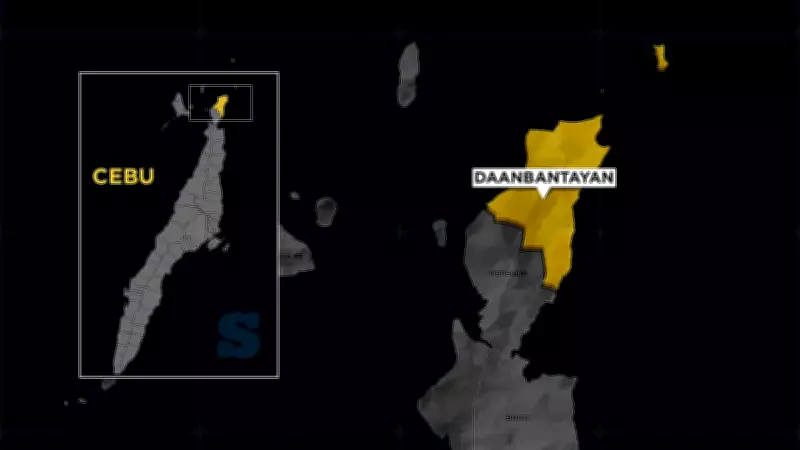
Daanbantayan Tourism Shows Resilience Amidst External Pressures
Tourism operators in Daanbantayan, Cebu, have affirmed that the local industry remains robust at present. However, they warn that escalating oil prices and ongoing global conflicts could severely impact tourism if these conditions persist for another two months.
Global Tensions Trigger Booking Cancellations
Jameson Rey Acuna, owner of Divergems Diving Center on Malapascua Island in Daanbantayan, stated that while the overall effect of world tensions has not been fully felt, some booking cancellations have been recorded following international disturbances. "Maybe for this time it's okay, but if it continues to be like that, then chances are they will gradually diminish because they will go home," Acuna remarked in an interview with SunStar Cebu on Friday, March 13, 2026, during the opening of the "Our Cebu!" tourism exhibition in Cebu City.
Acuna noted that most of their clients are foreign divers, particularly Israelis, along with Singaporeans, Chinese, and Europeans. He observed that some visitors canceled their bookings a few days after the war erupted on February 28. While the impact is currently minimal, the situation could worsen if the conflict extends beyond a month.

Rising Oil Prices Strain Operational Costs
Beyond global tensions, Acuna highlighted that tourism operators are grappling with increased operational expenses due to higher oil prices. He reported that diesel prices in Daanbantayan have surged to around P90 per liter from approximately P60 previously, making it challenging for businesses to maintain operations without raising service prices.
Despite these challenges, Acuna mentioned that tourist arrivals in Malapascua have remained steady, with some visitors extending their stays after experiencing travel disruptions.
Government and Local Initiatives Bolster Tourism
Cebu Governor Pamela Baricuatro, in a press conference on Wednesday, March 11, announced that the provincial government is exploring ways to assist affected sectors. Renlie Castillo, Daanbantayan Tourism Officer, emphasized that the local government is strengthening coordination with tourism stakeholders to ensure industry stability.
Castillo revealed that the tourism office is conducting stakeholder consultations and capacity-building initiatives to better understand the needs of operators and frontline workers. "That's the approach of Daanbantayan; we start with the people," Castillo explained.
Key initiatives include training programs for tourism workers, such as food sanitation training and capacity-building sessions for fishermen, who often interact first with arriving tourists. These programs aim to enhance service quality and ensure tourism establishments remain prepared, especially during disasters like typhoons.
Tourism Data Reflects Mixed Trends
Municipal tourism data shows consistent visitor arrivals, though records indicate a dip in October following a 6.9 magnitude earthquake. Castillo pointed out that the island can host up to around 400 tourists daily during peak periods from November to December 2025, with nearly 90 percent of visitors coming from abroad.
Earlier this year, Daanbantayan recorded no fewer than 200 visitors per day. Based on records, the primary market consists of European tourists, particularly Germans, Spanish, and French. Castillo noted that European visitors tend to stay longer compared to Asian tourists, who often visit in large groups but for shorter durations.
Infrastructure Concerns Linger
Despite positive numbers, stakeholders express ongoing concerns about island infrastructure. Acuna mentioned that Malapascua currently lacks a clinic, forcing residents and tourists to travel to the mainland for medical services. He advocated for building a clinic on the island to benefit the local community and tourism sector, noting that thousands of residents live there alongside regular visitors. "There are times when if there are minor illnesses, they still have to cross over," Acuna stated.