The Hidden Burden: Philippines' Travel Tax Faces Growing Calls for Abolition
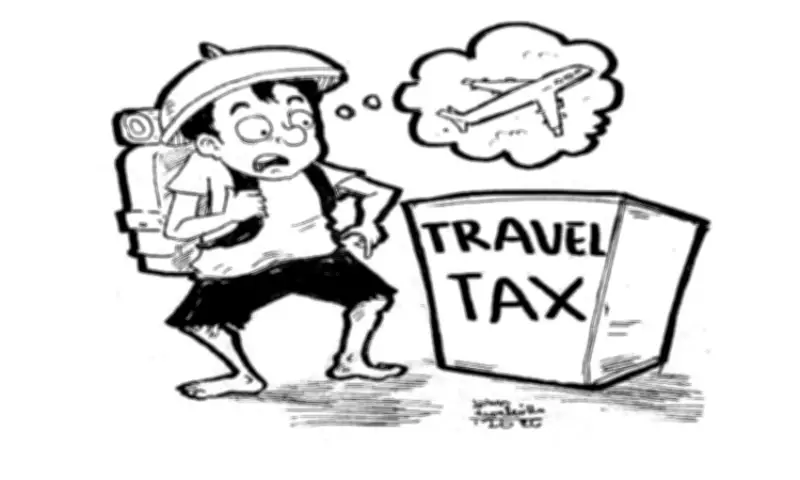
For countless Filipinos preparing for international travel, the journey begins long before reaching the airport terminal. It starts with accumulating expenses: visa applications, document authentication, medical examinations, travel insurance, and the inevitable last-minute realization that something crucial has been overlooked. Amid this financial cascade sits the travel tax—a mandatory P1,620 fee for economy class travelers and P2,700 for first class passengers that many describe as a final, unwelcome hurdle before departure.
A Measure of Relief: Proposed Legislation Challenges Decades-Old Levy
Current discussions in the House of Representatives center on legislation that would repeal the legal foundation of the travel tax and terminate its collection entirely. The proposed measure includes a significant fairness provision: refunds for taxes already paid on flights scheduled after the law's implementation. This refund clause acknowledges what many travelers have long felt—that this levy represents more than a minor inconvenience; it's a substantial financial burden that can determine whether families proceed with important journeys.
Consider the mathematics for a typical family: five economy-class travelers each paying P1,620 amounts to P8,100—funds that could otherwise cover accommodation, emergency medical expenses, or daily necessities during international trips. The fundamental policy question emerges: should the government finance tourism initiatives by taxing citizens precisely when they're attempting to move across borders?

The Funding Dilemma: Tourism Support Versus Traveler Burden
Defenders of the travel tax point to its designated allocations, which appear commendable in theory. Under the existing Tourism Act framework, collections are distributed with 50 percent directed to tourism infrastructure through the Tourism Infrastructure and Enterprise Zone Authority, 40 percent to tourism-related educational programs via the Commission on Higher Education, and the remaining 10 percent to cultural and artistic initiatives administered by the National Commission for Culture and the Arts.
No reasonable observer disputes the importance of these objectives. The controversy lies not in the goals themselves but in the funding mechanism's equity and efficiency. Critics argue that airport-collected levies create complacency—when revenue flows automatically, the urgency to demonstrate tangible results diminishes. By contrast, programs requiring annual budgetary approval must continually justify their existence and outcomes through transparent processes.
The Fairness Question: Flat Fees Disproportionately Impact Lower-Income Travelers
The travel tax's structure presents fundamental equity concerns. As a flat fee rather than a percentage-based charge, it imposes proportionally greater hardship on those with limited financial resources. The identical P1,620 payment represents vastly different burdens for a corporate executive versus an overseas worker visiting family abroad.
This levy arrives alongside the numerous taxes Filipinos already navigate domestically: income taxes for formal sector workers, value-added taxes on most purchases, and the relentless costs of daily living including transportation, housing, education, and inflationary pressures. For many citizens, the travel tax symbolizes a broader frustration with accumulating charges that contrast with perceived deficiencies in public services and systemic governance challenges.
Mobility Paradox: Exporting Labor While Taxing Departure
The Philippines presents a curious contradiction as a nation that simultaneously celebrates overseas workers' remittances, encourages global competitiveness, and maintains what many describe as an "exit fee" architecture. While exemptions exist for specific categories including overseas Filipino workers, infants under two years old, and certain religious pilgrims, these provisions often miss the complex realities of why ordinary citizens travel internationally.

The typical affected traveler isn't necessarily affluent: students with partially funded programs facing unexpected additional costs, researchers presenting papers with covered registration but uncovered incidental expenses, parents rushing to provide family care abroad, young professionals relocating for employment opportunities, or families saving for years to afford modest international vacations as respite from daily struggles.
Transparency Over Convenience: Proposed Reform Models
The most substantive criticism questions not whether travel tax revenues accomplish anything, but whether the system promotes accountability. One proposed reform model would terminate collection after the law's effectivity, mandate refunds for applicable flights, and shift necessary funding to regular appropriations under the General Appropriations Act for relevant agencies. This approach wouldn't eliminate tourism, education, or cultural programs—it would simply cease treating travelers as default sponsors while requiring initiatives to compete for funding based on demonstrated performance.
A potential compromise, should legislators prefer gradual change, might involve initially exempting all Filipino citizens or specifically economy-class travelers while maintaining fees for non-citizens or premium-class passengers, followed by systematic review after a defined period. Even targeted exemptions would immediately reduce friction for those most sensitive to additional costs.
The Human Dimension: When "Small" Fees Create Significant Barriers
Educators particularly understand this dynamic, having witnessed how seemingly minor expenses—project materials, uniforms, transportation—can determine whether economically disadvantaged students participate fully or withdraw quietly. The travel tax operates similarly: it rarely prevents affluent travelers from proceeding but frequently discourages those on the financial margin. The consequence can be delayed medical consultations, missed professional development opportunities, or postponed family reunions that become "maybe next time" indefinitely deferred.
A compassionate governance approach doesn't romanticize unnecessary sacrifice as default policy but rather designs systems that eliminate avoidable obstacles, enabling citizens to fulfill responsibilities on equitable footing. The ultimate test for the travel tax might be this: does this levy genuinely improve the nation, or does it merely increase the cost of departure? The movement to abolish or exempt Filipinos from this charge isn't anti-tourism—it's pro-transparency, advocating for public program funding through accountable budgeting rather than airport penalties that resemble tolls on personal aspirations.