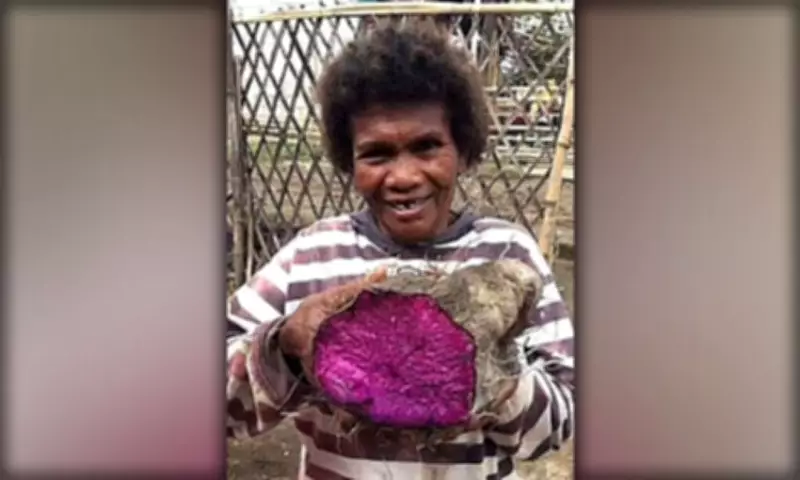
The vibrant purple yam known as ube is experiencing a remarkable surge in global popularity, transforming from a cherished Filipino staple into a highly sought-after international export. In 2025, the Philippines generated an impressive $3.06 million in revenue from ube and ube-based product exports, fueled by a growing worldwide appetite for authentic Asian flavors, natural food colorants, and versatile culinary ingredients.
Ube's Evolution into a Premium Export
Recent figures highlight ube's significant evolution from a local delicacy to a premium export ingredient, with key markets expanding beyond Asia to include the Middle East, the United States, the United Kingdom, and Italy. This shift underscores the ingredient's rising status in global food industries, where it is prized for its unique taste and vibrant color.
Steady Growth in Processed Formats
Preliminary industry data reveal steady growth in processed ube formats, such as powder, puree, halaya, and flavor extracts. Overseas manufacturers are increasingly incorporating this versatile yam into a wide array of products, including ice cream, baked goods, confectionery, specialty beverages, and ready-to-eat desserts. This diversification reflects ube's adaptability and appeal across different culinary traditions.

Global Product Launches and Innovation Hubs
According to Mintel's Global New Products Database (GNPD), there were 359 new product launches worldwide featuring ube across various markets in recent years. While the Philippines accounts for the largest share of these launches—primarily in cakes, pastries, sweet goods, and dairy-based products like ice cream and frozen yogurt—innovation is accelerating rapidly abroad.
Japan, China, and the United States have emerged as leading innovation hubs for ube-based products. In Japan, ube is being creatively used in chilled and shelf-stable desserts. In China, it appears in cakes, pastries, malt drinks, and hot beverages. In the United States, the ingredient is gaining significant traction in dairy-based ice cream, frozen yogurt, sweet biscuits, and cookies, showcasing its versatility and growing consumer acceptance.
Opportunities for Philippine Exporters
Trade Secretary Cristina A. Roque emphasized that the growing international adoption of ube signals lucrative opportunities for Philippine exporters to move into higher-value segments. "Behind every ube product enjoyed overseas are Filipino farmers and MSMEs whose dedication sustains their families and rural communities," Roque stated. "That is why we continue to strengthen support for the sector by improving quality standards and reinforcing supply chains, so Philippine ube can compete confidently and sustainably in international markets."
Government Support and Future Prospects
The Department of Trade and Industry, through its Export Marketing Bureau, has committed to providing ongoing trade promotion assistance, market intelligence, and capacity-building programs to help exporters penetrate and expand in global markets. This strategic support aims to enhance the competitiveness of Philippine ube, ensuring it remains a standout ingredient in the international food scene.
As global demand for unique and natural flavors continues to rise, ube's journey from local fields to international shelves exemplifies the potential of agricultural exports to drive economic growth and cultural exchange. With sustained innovation and robust support, the future looks bright for this purple powerhouse in the global marketplace.