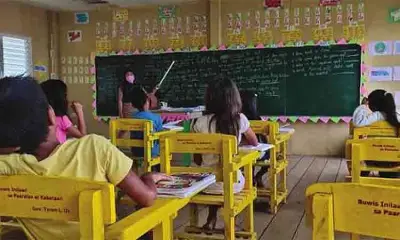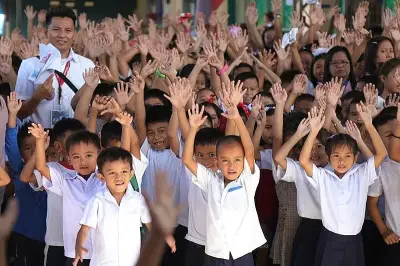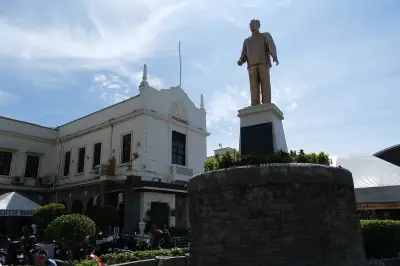
Cebu's education system is facing a deepening crisis, exacerbated by frequent natural disasters and the resulting series of class suspensions. Cebu City Mayor Nestor Archival has emphasized that these disruptions, often leading to cancellations or shifts to online learning, significantly affect students' ability to keep up with their lessons.
Challenges in Decision-Making
Archival acknowledged the difficulties local authorities face when deciding whether to suspend classes during severe weather. "We have many disasters, so the result is online classes and no classes," he stated. He noted that suspending classes can be disheartening, as it often leads to complaints from various quarters. Some question why classes are canceled, while others argue they should not be, creating a complex balancing act for officials.
Impact on Young Learners
The mayor expressed his preference to avoid class cancellations, recognizing that even when suspensions are necessary during emergencies, they inevitably disrupt learning. This is particularly detrimental for young students who are still building their foundational knowledge base. To mitigate these effects, Archival revealed that the city is collaborating with national and private partners to support affected students.

Ongoing Interventions and Support
Current initiatives include partnerships with the Department of Social Welfare and Development (DSWD), such as the "Tara Basa" program, and support from the Ramon Aboitiz Foundation Inc. (Rafi). Archival clarified that these efforts did not originate during his term but have been long-standing, with the city now working to enhance and strengthen them further.
Literacy Concerns Highlighted
These statements come amid growing concerns over declining literacy levels among young students in Cebu. A January 2026 report from the Second Congressional Commission on Education (EdCom 2) described the situation as a "historic crisis," revealing that many Grade 3 students in the province's major cities struggle with reading.
Key findings from the report include:
- Cebu City has 46.85% of Grade 3 learners failing to meet reading standards.
- Talisay City records a higher rate at 50.2%.
- Lapu-Lapu City follows with 45.64%.
- Toledo City reports 43.83%.
The report warns that these figures place Cebu below national benchmarks and could have long-term effects on economic growth if not addressed promptly. The combined impact of disaster-related disruptions and literacy challenges underscores the urgent need for comprehensive solutions to safeguard the educational future of Cebu's youth.