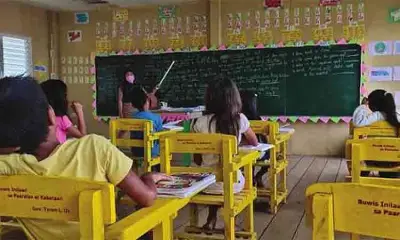
In Cebu City, the morning rush hour transforms into a daily endurance test for students who must navigate congested highways and lengthy commutes just to reach their classrooms. As global oil prices continue to climb due to geopolitical tensions in the Middle East, transport groups are pushing for fare increases, adding another layer of stress to an already challenging situation. For many young learners, the journey to school has become a grueling marathon that often drains more energy than their actual studies.
The Long Road to Education
Frances Mildz Arriola, a Grade 12 HUMSS student at San Carlos School of Cebu Senior High School, exemplifies this struggle. She commutes from Dumanjug, a town located southwest of Cebu, facing a trip that lasts between two to four hours each direction. Her daily routine involves leaving home at 4 a.m. and returning by 6 p.m., with the road often taking a greater toll on her than her academic responsibilities. Despite nearly two years of this exhausting schedule, she describes the experience as fulfilling now that graduation approaches, reflecting on her ability to endure those draining bus rides.
A Different Calculation, Same Exhaustion
Sarah Kim Bontia, a Grade 12 ICT-Animation student from Carmen, faces a similar battle. Her commute to Informatics Visayas in Consolacion typically takes an hour each way, though it can stretch longer. When her classes began at 6 a.m., she had to depart at 4:30 a.m., highlighting how easily tardiness can impact grades. Even with a shift to an afternoon schedule, the fatigue persists, underscoring the relentless nature of these daily journeys.

Madeline Pacquiao, currently in Grade 10, is already planning for the future. She intends to enroll in HUMSS at St. John Bosco Cotcot National High School next year, which will mean navigating the same highway and morning rush from Yati, Liloan. While she currently views occasional lateness to assemblies as a minor issue, the stricter attendance policies and heavier requirements of senior high school may change that perspective, turning what feels routine into a significant challenge.
Economic Pressures Compound the Struggle
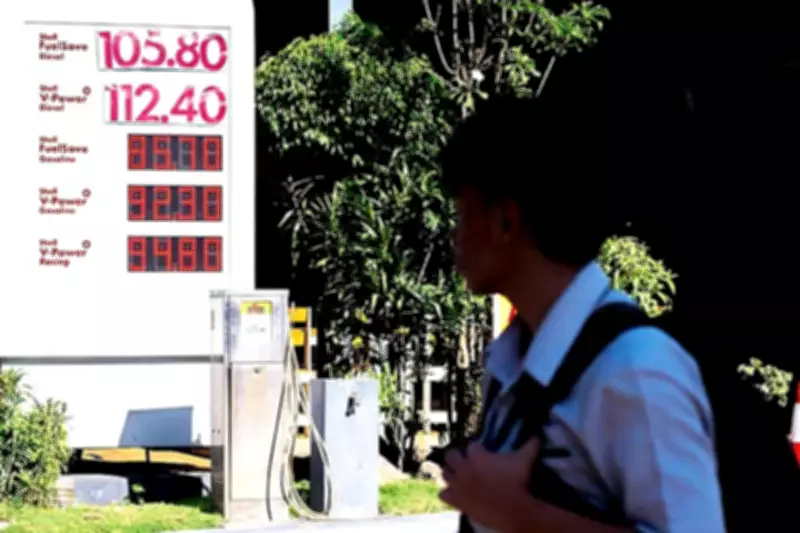
The timing of these commutes coincides with rising economic pressures. In Central Visayas, inflation reached six percent in February 2026, marking the highest rate in the country. This surge is partly driven by climbing global oil prices, which have prompted transport groups to file for fare increases. The Land Transportation Franchising and Regulatory Board announced hikes for several public utility vehicles, scheduled to take effect on Thursday, March 19. However, President Marcos suspended them a day before implementation, citing concerns about the appropriateness of raising fares during this period.
Transport Groups Voice Frustration
Transport organizations have criticized this decision as a flip-flop, arguing that it forces drivers to absorb financial losses while passengers continue to grapple with escalating costs. For students commuting from areas like Dumanjug, Carmen, or Yati, these fare increases are not merely headlines; they represent the difference between a full, productive day and one compromised by financial strain and extended travel times.
As the jeepney finally inches forward through the congested streets, the broader implications become clear. The combination of lengthy commutes, economic inflation, and uncertain fare policies creates a perfect storm that disproportionately affects students striving for education. Their resilience in the face of such obstacles highlights both the urgency of addressing transportation issues and the profound impact these daily journeys have on academic success and personal well-being.