Cebu Province Launches Major Initiative to Tackle Student Literacy Crisis
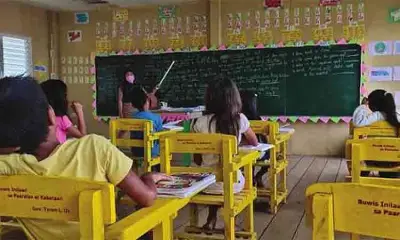
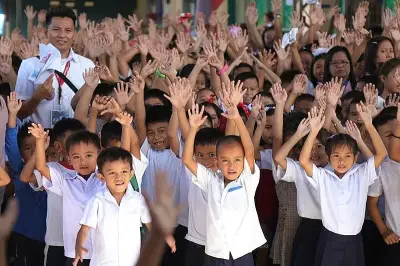
In a decisive move to address a critical educational challenge, Cebu Province has officially established the Provincial Education Secretariat (PEdS) on Wednesday, March 18, 2026. Governor Pamela Baricuatro spearheaded this initiative in response to alarming reports revealing that nearly half of Grade 3 students in the province's largest cities are unable to read at their appropriate grade level. The new secretariat aims to combat low literacy rates by focusing on improving student health, particularly through nutrition programs.
Coordinating Efforts for Enhanced Educational Outcomes
The PEdS is designed to function as a central coordination hub, ensuring seamless collaboration among various government agencies rather than replacing the Department of Education (DepEd). Its primary objective is to synchronize school feeding initiatives with the Department of Social Welfare and Development (DSWD) and optimize the management of special education funds. By fostering this integrated approach, the province has set an ambitious target: achieving an 80 percent pass rate in reading assessments for Grade 4 students in upcoming evaluations.
The Critical Link Between Nutrition and Cognitive Development
Experts emphasize that the literacy crisis is deeply connected to stunting, a condition where children experience impaired growth due to insufficient intake of essential vitamins and minerals. Stunting not only affects physical stature but can also lead to irreversible delays in brain development, severely impacting learning capabilities. While nutritional conditions have shown improvement in certain areas, the statistics remain concerning. In Cebu Province, over 18,500 children, representing 7.36 percent of the population, are currently affected by stunting. This figure surpasses rates in Cebu City (3.27 percent) and Lapu-Lapu City (1.51 percent), highlighting the urgency of the issue.

Inspiring Success from Talisay City
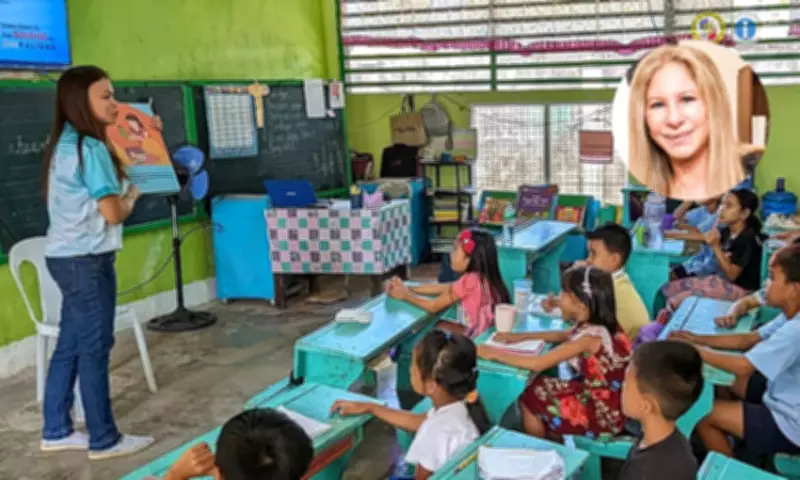
There is a beacon of hope for the province, drawing from the remarkable achievements in Talisay City. Mayor Gerald Anthony Gullas Jr. reported a significant reduction in the number of struggling readers, from approximately 53 percent to just 22 percent within a single school year. This success was driven by the implementation of the "Tara, Basa!" program, which pairs student tutors with younger learners and actively involves parents in the educational process. "It takes a village to raise a child," Gullas remarked, underscoring the importance of community collaboration in addressing these challenges.
Charting a Path Forward
To replicate and expand upon such successes, Cebu Province is developing a comprehensive roadmap for educational improvement. The plan will be finalized through a series of public meetings and workshops scheduled for April and May, ensuring broad stakeholder engagement. This proactive strategy reflects the province's commitment to creating a healthier, more literate future for its students, leveraging coordinated efforts to tackle the root causes of the literacy crisis.