Carlos Hilado Memorial State University Enacts Temporary Four-Day Workweek Across Campuses
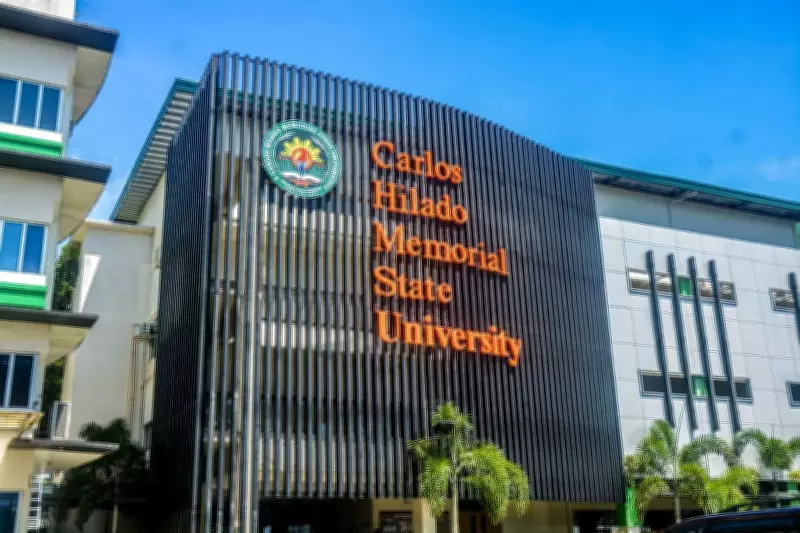
In a significant operational shift, Carlos Hilado Memorial State University (CHMSU) will implement a temporary four-day workweek across all four of its campuses in Negros Occidental, effective March 10, 2026. This move comes in direct compliance with Memorandum Circular (MC) No. 114, issued by President Ferdinand Marcos Jr., which mandates energy conservation measures across government agencies.
Compressed Schedule and Work Arrangements
According to a university advisory, the new arrangement will maintain the standard 40-hour weekly requirement through compressed 10-hour shifts, running from 7:30 a.m. to 6:30 p.m., Monday through Thursday. To facilitate a smooth transition, all employees will work from home on Friday, March 13, 2026, while staff—including GASS, Casual, and Job Order personnel—and faculty will report on-campus during the core workdays.
Academic Adjustments and Continuity
The university has outlined specific changes to academic operations to minimize disruption. All Friday classes will transition to synchronous or asynchronous online delivery, with hybrid options available for students facing limited connectivity. Importantly, Saturday classes, the National Service Training Program (NSTP), community engagements, and scheduled admission exams will proceed as planned, ensuring educational continuity.

Background and Objectives
Memorandum Circular No. 114 was issued by the Office of the President on March 6, 2026, directing all government agencies and instrumentalists, including local government units, to adopt energy conservation measures. CHMSU delayed implementation until March 10 instead of March 9 to allow personnel and faculty adequate time to prepare and adjust their work and course plans.
The primary goal of this temporary measure is to achieve measurable reductions of 10 to 20 percent in electricity, fuel, and operational costs, based on targets set by the Department of Energy. The university emphasizes that these savings will be pursued without compromising the quality of education, research, community engagement, or administrative services.
This initiative reflects a broader effort to promote sustainability and efficiency within public institutions, aligning with national energy conservation strategies. The university community is expected to adapt to this new schedule as part of its commitment to environmental stewardship and operational resilience.