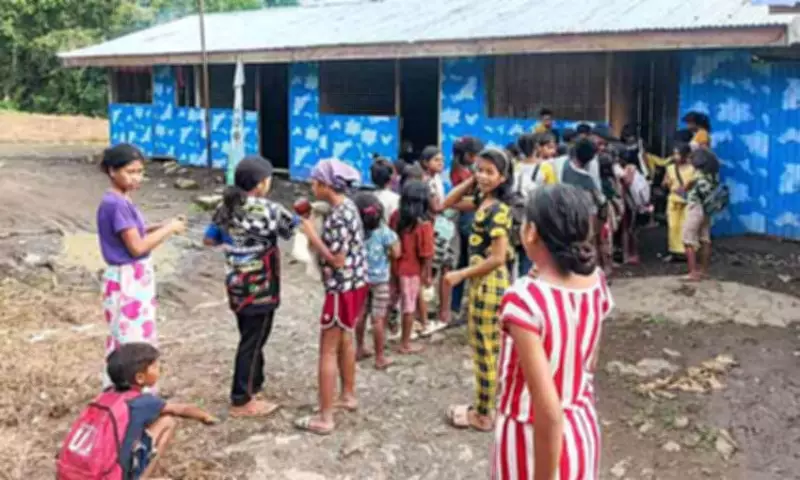
DSWD-Davao's Baloy Im'Imanan Project Delivers Classrooms to Remote Talaingod Communities
In a significant educational breakthrough, students residing in the most isolated areas of Talaingod can now attend school much closer to their homes. This transformative development is made possible through the innovative Baloy Im'Imanan Project, which is being spearheaded and implemented by the Department of Social Welfare and Development-Davao Region (DSWD-Davao).
Strategic Classroom Deployment in Remote Sitios
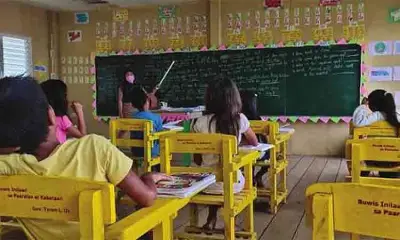
The project has successfully established and operationalized makeshift classrooms across six remote sitios, specifically Sambulungan, Dulyan, Pongpong, Dalingding, Lambid, and Peroy. This strategic deployment is effectively bridging a critical educational gap for Bagobo learners, ensuring their fundamental right to accessible education is no longer out of reach.
Merlinda Paragamac, the DSWD Davao assistant regional director, clarified the project's nature during a statement on Wednesday, March 18, 2026. She emphasized, "This initiative is not mandated by a specific program; it is a proactive undertaking from the DSWD-Davao Region, executed through our implementation of the convergence strategy."

Standardized Construction and Community Involvement
Each educational site follows a standardized provincial model, featuring a single building thoughtfully divided into four separate classrooms. The construction process itself was a model of community engagement, utilizing the Cash-for-Work program. This initiative provided local residents with ten days of paid labor, a vital economic boost, while dedicated volunteers contributed their efforts to complete the structures efficiently.
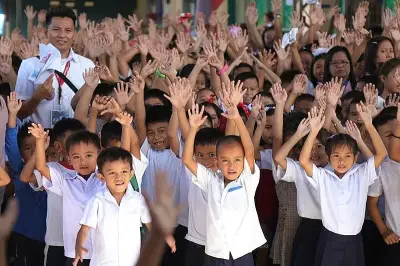
The immediate impact of these new learning centers is clearly demonstrated by their enrollment figures, which range from 71 to 167 students per site. Beyond education, the program strengthens government presence and fosters a greater sense of security within these remote communities.
Collaborative Efforts for Student Attendance
A key component of the project's outreach involves ensuring student participation. Rodel Fernandez, Head of Natulinan Elementary School, explained the collaborative approach: "DSWD personnel conduct home visitations, going house to house for all the children. This complements the Department of Education's (DepEd) focus on teachers, ensuring that students can physically reach and attend school."
The undeniable success of the Baloy Im'Imanan Project is rooted in robust collaboration between various government agencies and the local communities they serve. Community leaders are now advocating for sustained and ongoing support to guarantee that education for Indigenous Peoples' children remains a permanent and unwavering priority in the region.