During an interview at the International Champions in Education's (ICE) Philippine International Math and Science Olympics (Pimso) on March 1, 2026, held at Dusit Thani Hotel Davao, Robert D. Fordan, president and CEO of ICE, expressed strong confidence in the quality of education in the Philippines. Fordan, who is based in Bangkok, stated that he was amazed by the performance of Filipino students in international academic competitions, challenging the perception that the education system is deteriorating.
Contrasting Views on Education Quality
Fordan emphasized that Filipino students consistently excel in math and science, standing out against competitors from other countries who also send their best participants. He noted that many winners and top performers in these competitions come from the Philippines, suggesting that the education system is quite good already. This perspective comes as a total of 600 students from countries including the Philippines, Malaysia, Thailand, Laos, Myanmar, Cambodia, Vietnam, Bangladesh, India, Hong Kong, Macau, and Uzbekistan competed for trophies and medals across various categories and levels in Pimso.
Systemic Challenges and International Assessments
However, this optimistic view contrasts sharply with findings from large-scale international assessments. The Programme for International Student Assessment (PISA), administered by the Organisation for Economic Co-operation and Development, has raised concerns about systemic learning gaps in the Philippines. In the 2018 PISA results, the country ranked among the lowest participating nations in reading, mathematics, and science.

While the 2022 PISA cycle showed some improvements in mathematics and science scores, Filipino students still performed significantly below the OECD average. A large proportion were classified as low performers in foundational skills, with weak reading comprehension remaining a major challenge that affects performance across subjects.
Additional Benchmarking and Government Response
Similarly, results from the Trends in International Mathematics and Science Study (TIMSS) have historically placed Filipino learners near the bottom in mathematics and science achievement, particularly at the Grade 4 level. These international benchmarks are widely used by policymakers and researchers to evaluate comparative education quality and student preparedness.
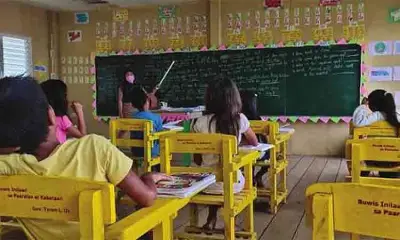
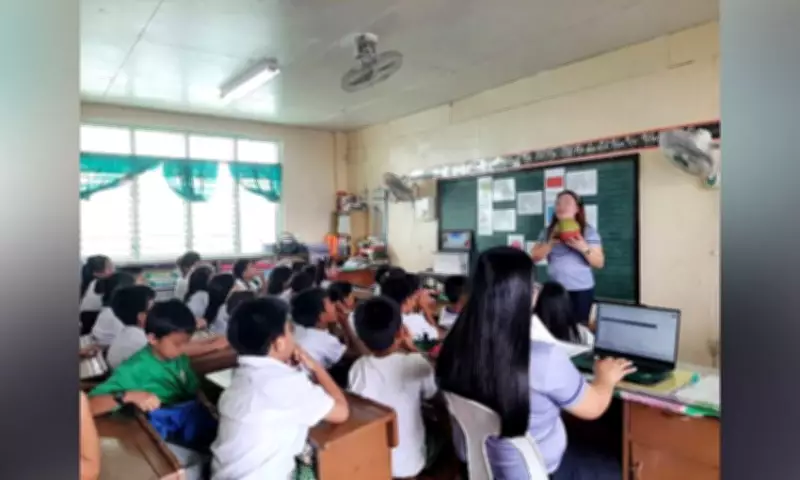
The Department of Education (DepEd) has acknowledged these learning losses and has implemented recovery programs such as the National Learning Recovery Program to address literacy and numeracy gaps. DepEd officials cite persistent structural challenges, including overcrowded classrooms, high teacher workload, insufficient learning materials, and socio-economic disparities, as factors affecting education quality.
About Pimso and ICE
Pimso is an annual international competition that started in 2020, designed for students from Kindergarten to Grade 12 (or A-Levels). It aims to promote excellence in Mathematics and Science through two stages: National Rounds and International Finals. The Pimso Gala Night and Awarding Ceremonies marked the first event by ICE to be held in Davao City, highlighting the organization's commitment to fostering academic talent in the region.