House Panel Greenlights Three Education Reform Bills to Combat National Education Crisis
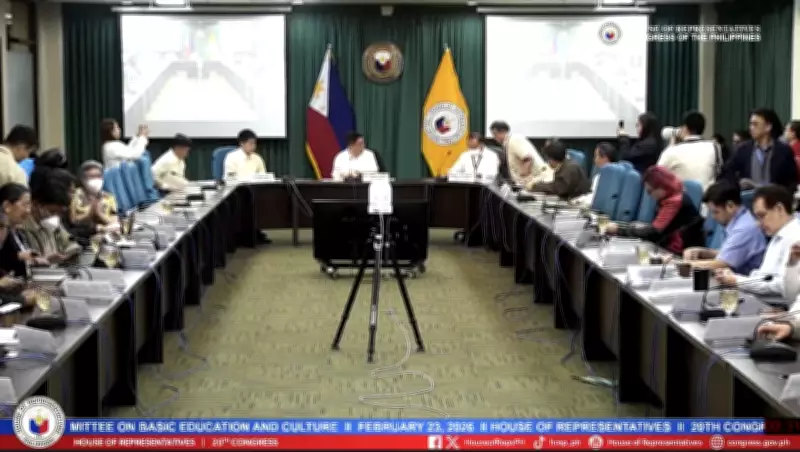
In a decisive move to address the escalating education crisis in the Philippines, the House Committee on Basic Education and Culture approved three pivotal education reform bills on Monday. These legislative measures, authored by Leyte Representative Martin Romualdez, Tingog Partylist Representatives Yedda Marie Romualdez, Andrew Julian Romualdez, and Jude Acidre, are designed to tackle critical issues such as classroom shortages and educational alignment with employment needs.
Key Approved Bills and Their Objectives
The approved proposals include:
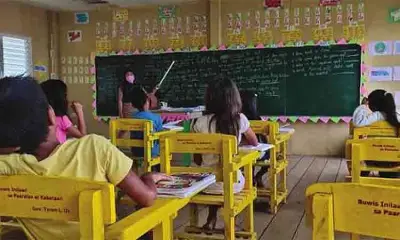
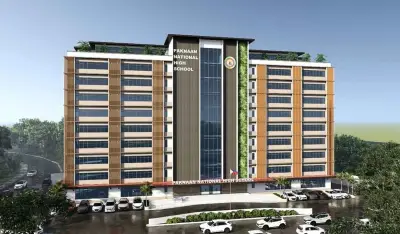
- Classroom-Building Acceleration Program (CAP) Act (HB 5577): This bill facilitates collaboration between local government units (LGUs), the private sector, and the Department of Education (DepEd) to construct classrooms, aiming to reduce a backlog exceeding 165,000 classrooms nationwide.
- Education Pathways Act (HB 4248): This legislation restructures post-junior high school education into two distinct tracks: a University Preparatory track managed by DepEd and a Technical-Vocational track overseen by TESDA. The goal is to better align educational outcomes with employment opportunities and learning objectives.
- Emergency Classroom Building Act (HB 5103): This act grants temporary powers to the President to expedite the construction, rehabilitation, and repair of classrooms, declaring the shortage of education infrastructure a national emergency.
According to Jude Acidre, Chairperson of the House Committee on Higher and Technical Education, the committee's approval marks a significant step toward implementing these reforms, rather than merely diagnosing the problem. He emphasized that this action is part of a broader effort to strengthen the foundation of basic education in the country.

Next Steps and Broader Implications
The approved bills will now advance to the plenary for further deliberation and voting, as part of the House's comprehensive program to enhance the basic education system. This legislative push underscores the government's commitment to resolving infrastructure deficits and improving educational pathways, which are crucial for national development and workforce readiness.
With the education crisis posing a threat to future generations, these reforms aim to provide immediate relief and long-term solutions, ensuring that students have access to adequate facilities and relevant skills training. The move has been welcomed by education advocates who see it as a proactive approach to systemic challenges.