Ozamiz City Youth Lead Creation of Adolescent-Focused Educational Materials
In a powerful display of youth leadership and collaboration, students and educators from Ozamiz City have come together to co-design innovative Information, Education, and Communication (IEC) materials. This initiative focuses on critical adolescent issues including mental health, sexual and reproductive health, and disaster preparedness. The two-day creative workshop took place on February 25–26, 2026 at Bethany Gardens Resort in Ozamiz City, bringing together young voices and educational professionals.
Addressing a Clear Need Through Collaborative Design
The workshop was organized under the BRAVE Project of Jhpiego Philippines, with funding provided by Olivia Rodrigo's Fund 4 Good, in partnership with the Department of Education – Schools Division of Ozamiz City. This activity directly responded to findings from a comprehensive training needs assessment conducted among students, adolescent leaders, and teachers throughout the city. The assessment revealed a significant demand for IEC materials that are both adolescent-friendly and relatable.
While schools currently possess existing educational materials, students reported several challenges:

- Materials are often difficult to understand
- Content tends to be too text-heavy
- Some materials are outdated
- There is frequently a lack of local context
- Digital formats are not always available
Modern Formats and Youth-Led Creation
Participants clearly expressed their preference for contemporary, visually engaging formats including short videos, infographics, social media cards, and illustrated stories. More importantly, students demonstrated eagerness to actively participate in the creation process by contributing ideas, writing scripts, developing taglines, designing layouts, and reviewing content to ensure messages authentically reflect adolescent experiences.
"This workshop proves that young people are not just audiences of information but creators of change," emphasized Geri Matthew Carretero, Communications and Knowledge Management Officer of Jhpiego Philippines. "Under the BRAVE Project, we believe IECs should be clear, relatable, gender-sensitive, and grounded in the real experiences of students. When adolescents co-create messages, they become more authentic, inclusive, and impactful."
Comprehensive Workshop Structure and Outputs
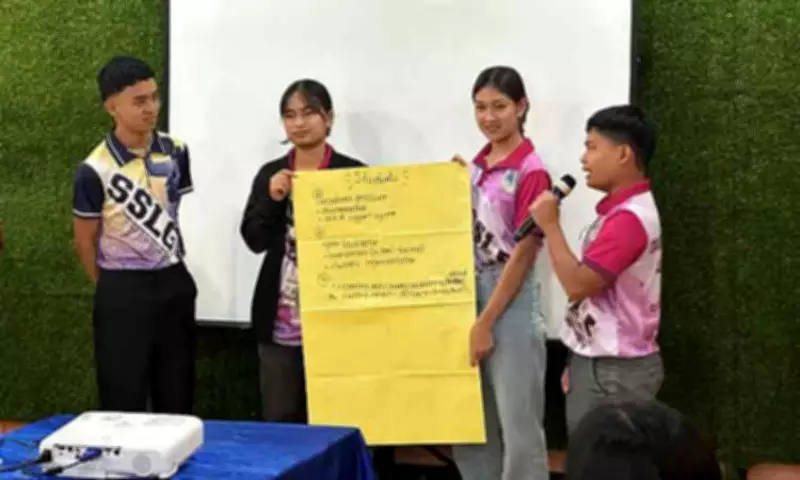
Thirty-five participants, including teen center managers, student government leaders, guidance counselors, and Division Office representatives, engaged in the intensive two-day program. The workshop featured technical sessions covering adolescent sexual and reproductive health, mental health and psychosocial support in schools, and disaster preparedness strategies for students and teen centers.
Participants learned about Social and Behavior Change Communication principles to help them craft simple, solution-focused, and motivating messages. Through hands-on design laboratories and Canva workshops, they developed prototypes of adolescent-centered IEC materials including:
- Posters and flyers
- Brochures and infographics
- Comics and illustrations
- Social media cards
- Short-form videos
Peer review sessions ensured that all materials were clear, inclusive, accessible, and culturally sensitive. Each group also created comprehensive school-level dissemination plans integrating both online and offline platforms such as social media, bulletin boards, assemblies, teen centers, and peer education activities.
Educational Impact and Youth Empowerment
"This activity highlights the importance of listening to our learners," stated Arlene Via, Senior Education Program Specialist of the Department of Education Ozamiz City Division. "By working side by side with our students, we ensure that the information we provide is not only technically accurate but also meaningful and understandable to them. This strengthens our commitment to building safe and responsive school communities."

Marchie Mae Candilla, President of the Supreme Secondary Learner Government (SSLG) at Montol National High School, shared her transformative experience: "Usually, we just receive posters or modules. This time, we created them ourselves. We understand the issues better because we helped shape the messages. I feel more confident now to talk about mental health, disaster preparedness, and adolescent sexual and reproductive health with my peers."
Ethical Standards and Future Implementation
The workshop strictly observed youth safeguarding and ethical standards, including age-appropriate content, avoidance of triggering language or imagery, consent for documentation, confidentiality of sensitive stories, and compliance with DepEd Child Protection Policy and Jhpiego safeguarding standards, as noted by Jaime Bonifacio, Jr., Program Manager of Jhpiego Philippines.
By the conclusion of the workshop, participants presented their IEC prototypes and corresponding dissemination plans. Facilitators will now consolidate and refine these outputs into a comprehensive IEC materials pack for user testing, quality assurance, and eventual rollout in participating schools throughout Ozamiz City.
Through the BRAVE Project, Jhpiego Philippines continues to strengthen adolescent leadership and resilience by ensuring that students are not merely recipients of information but active partners in shaping messages that directly affect their health, safety, and future development. This innovative approach represents a significant step forward in creating educational materials that truly resonate with and empower the youth they are designed to serve.