A renewed push to ban minors from social media platforms in the Philippines reflects growing anxiety about the digital lives of Filipino youth. Lawmakers cite cyberbullying, addiction, and declining academic performance as justifications, echoing global trends in countries such as Australia and Indonesia. However, as CitizenWatch Philippines warns, a blanket ban may displace harm rather than reduce it, creating unintended consequences that policymakers seem unprepared to address.
Misconceptions About Social Media
At the center of the debate is a misconception that social media is merely a distraction. In reality, it has become deeply embedded in how young people learn, communicate, and participate in society. Treating all forms of social media use as inherently harmful overlooks its instructional and collaborative dimensions, especially in an era when digital literacy is no longer optional but foundational to education.
Educational Impact
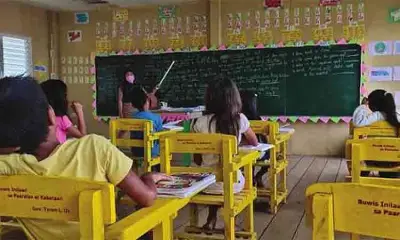
From an educational standpoint, banning minors from social media risks widening existing learning gaps. Platforms such as Facebook groups, YouTube channels, and even TikTok have become informal yet powerful extensions of the classroom. Students use them to access tutorials, discuss lessons, and engage with current events in ways that textbooks often cannot. Removing access does not eliminate digital exposure; it merely removes guided, visible spaces where learning can take place.

The irony is striking. Schools are urged to integrate 21st-century skills such as media literacy, critical thinking, and responsible digital citizenship, yet the same learners are shut out of the very environments where those skills must be practiced. Education cannot teach swimming by banning the water; it must teach students to navigate it safely.
Correlation vs. Causation
Supporters of the ban often cite studies, including the 2022 PISA findings linking excessive leisure screen time to lower academic performance. But correlation should not be confused with causation. Poor learning outcomes are more plausibly linked to unregulated, unsupported use rather than to access itself. A ban addresses the symptom, not the underlying design flaws and governance failures of digital platforms.
Rights and Inequality
More troubling is the impact on youth's right to information. The Philippine Constitution guarantees access to information on matters of public concern, a right that extends beyond childhood. Social media has become a primary venue for news, civic discourse, and public debate. Excluding minors from these spaces risks raising a generation informed about democracy yet excluded from its conversations.
In practice, a ban may push young users toward less visible, less regulated online spaces, such as private messaging apps, gaming chats, or offshore platforms. These environments often lack content moderation and protective measures, thereby exacerbating the very harms the ban aims to prevent. Regulation without visibility is not protection; it is blindfolding.
There is also a class dimension that is rarely acknowledged. Middle- and upper-income families may find workarounds, such as alternative devices or supervised access. By contrast, students who rely on shared or low-cost digital platforms for learning and communication bear the full weight of exclusion. A blanket ban thus risks reinforcing inequality under the guise of protection.
A Sustainable Alternative
Advocacy groups propose a more sustainable alternative: regulate rather than ban. This includes enforceable age-appropriate design, default safety settings, robust parental controls, algorithmic accountability, and stronger data-privacy rules for minors. These measures target the source of harm rather than the presence of young users.
Crucially, education must be part of the solution. Digital citizenship should be taught explicitly, not assumed. Young people must learn to verify information, manage screen time, respond to cyberbullying, and understand platform incentives. These competencies cannot be learned in isolation from digital spaces; they must be cultivated there.

Concerns about whether the points raised here are sensible reflect healthy skepticism. They are not only sensible but necessary. The question is not whether social media can harm youth, but whether society will respond with prohibition or with education, regulation, and shared responsibility.
In the end, protecting youth should not mean excluding them from the digital world they are expected to inherit. It means making that world safer, fairer, and more accountable without sacrificing their education, agency, or right to information. A ban may seem decisive, but thoughtful governance, not withdrawal, truly protects the next generation.