Solar-Powered Innovation Ends Water Woes for Remote Davao School
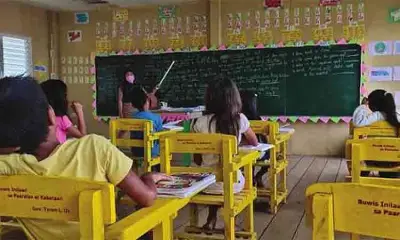
In a significant breakthrough for educational infrastructure, a remote elementary school located in the upland Marilog District of Davao City has successfully resolved its long-standing water supply issue. The solution came through the installation of a solar-powered water pumping system, a project spearheaded by the school's dedicated principal.
Years of Struggle Due to Geographic Challenges
For many years, Malakeba Elementary School faced severe difficulties in accessing clean and sufficient water, primarily because of its mountainous location. The school is situated at a higher elevation than its nearest water source, creating a major obstacle in delivering water to meet the daily needs of both students and staff.
According to information shared by the Department of Education (DepEd)-Davao City on social media, the closest water source is approximately five kilometers away and lies at a lower altitude than the school campus. This geographical disparity led many to believe that transporting water to the school would be an insurmountable challenge.

Principal's Initiative Brings Sustainable Solution
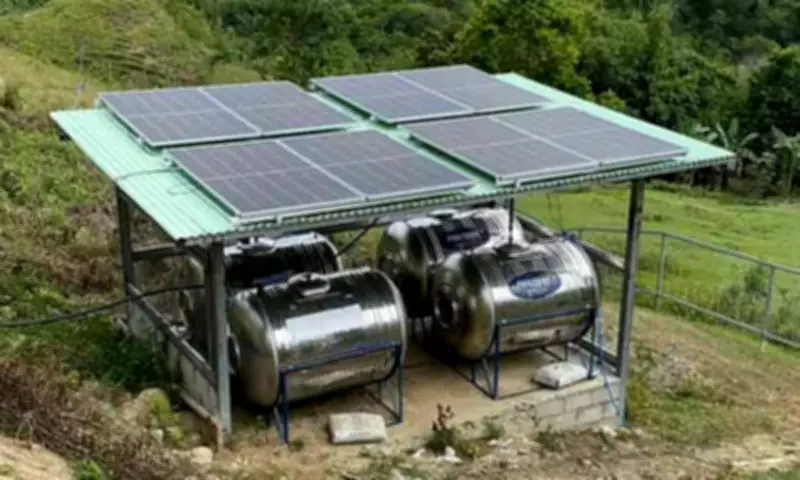
School principal Neil C. Patalinghug took the initiative to introduce a solar-powered water pump system specifically designed to draw water from the distant source and store it in tanks installed within the school premises. In a statement, Patalinghug explained, "A solar-powered water pumping system can deliver water from a distant source up to the school. It uses energy from the sun to power the pump and store water in tanks installed within the school. What we once thought was impossible has now become a successful and important part of the school."
Transforming Daily Life for Students and Teachers
With the new system operational, students can now access drinking water with much greater ease and utilize school restrooms supported by a more reliable water supply. Previously, teachers were forced to walk nearly three kilometers to collect water for essential purposes like drinking and bathing. The availability of water directly on campus has significantly reduced the need for these arduous trips.
The solar-powered pumping system now efficiently supplies water for all basic school needs, effectively addressing a problem that had long disrupted the daily routines of both students and teachers in this remote educational setting. This development marks a crucial step forward in enhancing the learning environment and overall well-being of the school community.