The Creative Pulse of Davao: Artists Defining Mindanao's Identity
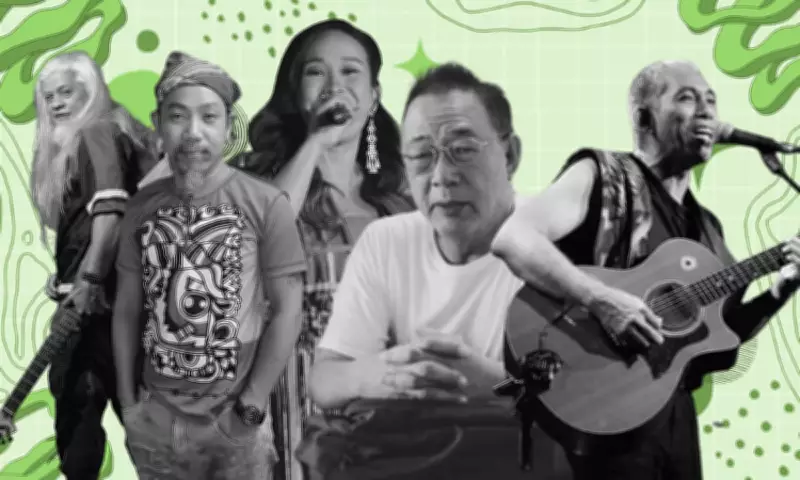
The creative scene in Davao thrives through artists whose work deeply reflects the identity of Mindanao. Across various mediums such as sculpture, music, and literature, these creatives forge connections between culture, community, and place, shaping how Dabawenyo artistry is perceived and celebrated. This article highlights five key figures who embody this vibrant pulse.
Kublai Millan: Sculpting Unity and Pride
Kublai Millan has crafted some of Mindanao's most iconic public art. His Durian Monument near Davao International Airport stands as a powerful symbol of local pride, while his sculptures in People's Park depict the tri-people of Mindanao—Lumad, Moro, and settler communities—emphasizing themes of unity and harmony.
Millan's influence extends across the region. In General Santos City, the Bangkapayapaan Monument reflects peace and cooperation. In Digos City, the Agong House draws inspiration from musical heritage, and in Tagum City, his religious sculptures blend art with spirituality in public spaces. Beyond large-scale works, his Probinsaya series captures everyday life in Mindanao, often portraying women with strength and dignity.

Maan Chua: Music Rooted in Culture and Environment
Maan Chua, a Davao-born singer-songwriter and multi-instrumentalist, has dedicated over two decades to creating music deeply rooted in Mindanao's culture, environment, and social issues. Since 2001, she has performed locally and internationally, earning recognition through awards like the Global Cooling Women's songwriting competition in 2007 and Tunog Mindanao in 2011 and 2013.
In 2016, she received a grant from the National Commission for Culture and the Arts for her album Sayaw. Chua has also performed in the musical Salima, written the 2015 Palarong Pambansa theme song, and explored other art forms such as bead weaving and fashion design. She remains an active cultural worker, regularly performing at events like Araw ng Dabaw and Kadayawan Festival.
Popong Landero: Folk Music and Storytelling
Popong Landero, known for his work with the folk group Bagong Lumad, has significantly shaped Mindanaoan folk music through storytelling grounded in everyday life. His 1987 album Ayayayayay features 16 tracks in Filipino and Cebuano, reflecting humor, social realities, and regional identity.
The title track originated from a stage production, highlighting the close link between theater and music in local storytelling. Through collaborations with artists like Joey Ayala, Landero helped develop a sound that blends indigenous influences with contemporary folk, enriching the region's musical landscape.
Joey Ayala: Integrating Indigenous Sounds
Joey Ayala remains a leading figure in Filipino folk music, with deep roots in Davao. His work integrates indigenous instruments and themes into modern compositions, exploring social, environmental, and cultural issues.
Albums such as Panganay ng Umaga, Magkabilaan, and Mga Awit ng Tanod-Lupa feature songs like Karaniwang Tao, Magkaugnay, and Ulan-ulan, which reflect his focus on interconnectedness and identity. Ayala incorporates instruments like the kulintang, kubing, and hegalong, helping bring indigenous sounds to wider audiences and preserving cultural heritage.
Macario D. Tiu: Documenting History Through Literature
Writer and historian Macario D. Tiu has played a crucial role in documenting Davao's identity through literature and research. His book Davao: Reconstructing History from Text and Memory (2005) won the National Book Award for history.
This work challenges conventional narratives by including oral histories from Lumad and Moro communities, offering a broader and more inclusive view of the region's past. Tiu's contributions ensure that Davao's history is preserved and accurately represented for future generations.
Conclusion: A Shared Creative Purpose
Together, these artists form the creative pulse of Davao, telling stories through different mediums but with a shared purpose: to preserve identity, reflect community, and keep Mindanao's voice alive. Their collective efforts strengthen the cultural fabric of the region, inspiring both local and global audiences.