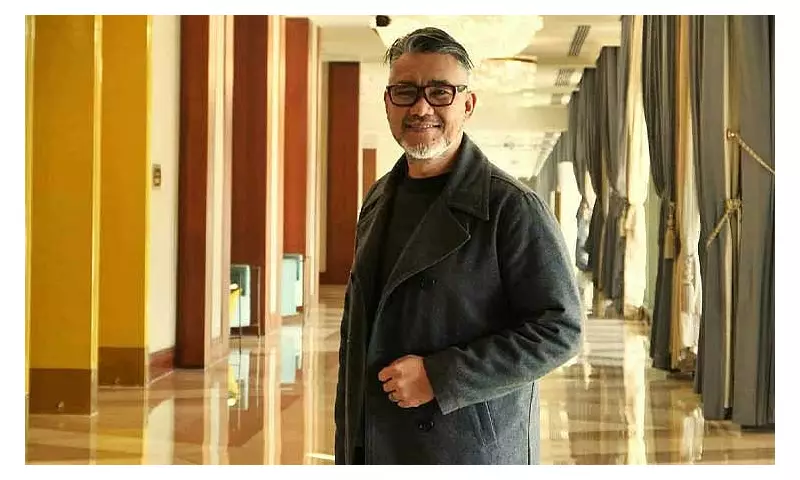
As Sun Star Pampanga celebrates its 30th anniversary, one journalist takes a deeply personal look back at an extraordinary career that spanned from the grim police beat to the corporate world of business reporting. This emotional journey reveals how covering tragedy reshaped both professional perspective and personal psyche.
The Early Days: Crime Scenes and Court Hearings
The journalism career began in Angeles City, armed with a camera and the trusted Domke F-3X bag. Assigned to the police beat, the young reporter faced some of the most challenging assignments imaginable. These included covering highly controversial court hearings, such as the infamous kidnap-murder case of Chevalier School student JJ Tanhueco.
Covering stories involving arson, murder, and suicide demanded incredible resilience. The reporter needed both nerves of steel and a strong stomach, especially when working inside morgues or at active crime scenes. The sharp, pungent smell of formaldehyde and the sickening odor of blood mixed with other bodily fluids created an environment that tested even the most seasoned professionals.

To this day, the memory of decomposing flesh remains one of the most difficult experiences from those early years. The job required photographic detachment when capturing tragedy's aftermath. The reporter believed this emotional distance was manageable at the time, but later reflections would reveal deeper impacts.
The Turning Point: A Night That Changed Everything
One midnight incident outside Tops Pizza in Balibago became particularly memorable. Following the late Fyodor "Ody" Fabian's habit of visiting police stations at night, the journalist was just 250 meters away when a bystander reported a shooting.
Arriving quickly at the scene, the reporter encountered a sight reminiscent of Michelangelo's La Pietà. A blood-covered man lay wounded while his girlfriend frantically begged for help. The journalist followed the victim to the AUF Medical Center emergency room, standing at a respectful distance as medical teams worked unsuccessfully to save his life.
In a moment of profound respect for the gravity of the situation, the reporter chose not to take photographs at the hospital. This decision marked a significant departure from standard journalistic practice and hinted at the emotional transformation underway.
The Psychological Toll: When Trauma Manifests
The emotional weight of witnessing such tragedies eventually surfaced in unexpected ways. The reporter experienced a terrifying nightmare that began with waking on a cold, wet surface in a dimly lit room. A mysterious doctor appeared and insisted there was no need to move because "you're already dead."
The horrifying realization dawned that this "bed" was actually a mortuary table. When attempting to escape, large cotton swabs began oozing from stitches running from stomach to chest. The desperate attempt to push them back inside culminated in finally waking for real.
This experience represented a classic case of bangungot, which online research revealed to be "a Filipino term for sudden unexplained nocturnal death syndrome (SUNDS), often affecting young men and associated with a frightening dream-like state of sleep paralysis." The trauma witnessed at the emergency room had manifested in this terrifying nocturnal episode.
Finding Protection Through the Lens
Throughout the coverage of blood and gore, the camera served as both tool and psychological shield. Like Reuters photojournalist Dan Eldon, whose story was narrated by his sister Amy in the documentary Dying to Tell the Story, this journalist understood how the lens could create necessary emotional distance.
The camera provided both purpose and protection, allowing the reporter to document difficult scenes while maintaining professional composure. This mechanical barrier helped navigate the emotional challenges of crime reporting without immediately processing the full impact of what was being witnessed.

A New Chapter: The Shift to Business Reporting
The career trajectory eventually shifted from crime reporting to business journalism, first at Central Luzon BusinessWeek and later at Gulf Times in Doha, Qatar. The pace and nature of stories changed dramatically, moving from visceral crime scenes to corporate boardrooms.
Sun Star Clark and Sun Star Pampanga provided the foundation for this remarkable journey. These publications taught essential skills: chasing stories, meeting deadlines, and navigating the ethical complexities of community journalism. More importantly, they provided unexpected gifts—a lifetime of memories that continue to shape the journalist's perspective decades later.
Thirty years after beginning this career, the reporter acknowledges fundamental changes. The young journalist who could walk through crime scenes without blinking has transformed into someone who now looks away from graphic content—and then looks within. This introspection and emotional awareness may represent the most important story of all, revealing how personal evolution shapes professional perspective in profound ways.