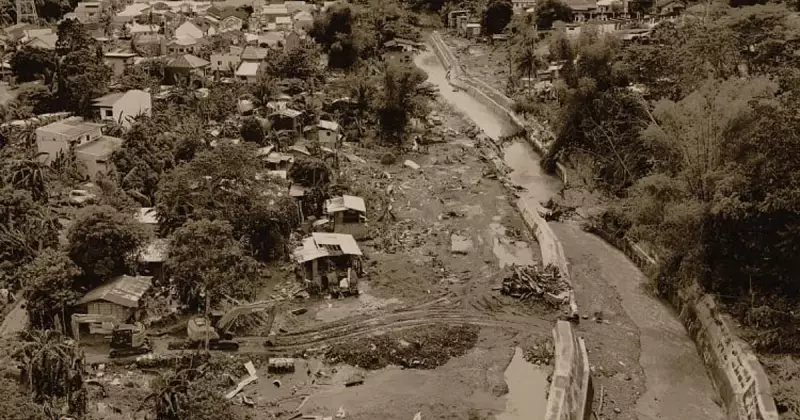
In a powerful display of solidarity, numerous Filipino celebrities and public figures are leveraging their influence to support communities devastated by recent typhoons while simultaneously calling out systemic failures in disaster preparedness and infrastructure.
Celebrity Relief Efforts Gain Momentum
The Philippines faced back-to-back typhoon disasters in early November 2025, with Typhoon Tino (Kalmaegi) striking Cebu on November 4, followed by Super Typhoon Uwan (Fung-Wong) hitting Aurora on November 9. The consecutive disasters left many communities in crisis, prompting immediate action from the entertainment industry.
Singer-songwriter Dionela made a significant commitment by announcing he would donate 100% of the proceeds from his upcoming "The Grace Tour" concerts to typhoon survivors. "Today, I made a decision that God impressed upon my heart," he shared in a heartfelt Facebook post, emphasizing that his actions reflect what "grace truly means" in practice.

Meanwhile, BINI members Aiah Arceta and Colet Vergara took a hands-on approach in Talisay City, personally purchasing supplies and repacking relief goods before distributing them to affected families. Aiah expressed gratitude to volunteers who enabled their rapid response, stating, "We wanted to move fast."
Financial Support and Ground Operations
The celebrity power couple KZ Tandingan and TJ Monterde demonstrated remarkable generosity by donating P1 million to Angat Buhay's typhoon disaster response efforts. Their management highlighted that the contribution reflected the collective generosity of Filipinos, including supporters from abroad.
Pinoy Big Brother alumna Binsoy Namoca joined relief operations in Talisay City despite ongoing rainfall, explaining his motivation: "That's why I choose to help, not to show that I have more, but to show that I understand what it's like to have less."
Demanding Accountability and Systemic Change
Beyond immediate relief efforts, several celebrities are using their platforms to demand accountability for what many describe as preventable disasters. Cebuana actress Kim Chiu, who has consistently supported her home province through various crises, emphasized that the severe flooding in Cebu was "unprecedented and preventable." She pointedly asked, "So who should we blame now?" and urged officials to take necessary measures to prevent future occurrences.
Ellen Adarna, another Cebu-based actress, directly challenged the culture of corruption, calling out the community's continued association with politicians and contractors tied to questionable projects. "Cebu is so small — we know who the corrupt ones are. Cut ties with these mfs!!!" she declared, describing how "quiet power" and bureaucratic obstacles are used to silence critics.
Liza Soberano expressed both grief and outrage over the lives lost, questioning the whereabouts of the P545 billion allocated to flood control projects over the past three years. Her Instagram stories demanded answers: "Who is taking responsibility? Never forget P545 billion has gone into flood control projects for the past three years. Where is the infrastructure?"
Anne Curtis pointed to the successful Iloilo flood control project as evidence that proper implementation can yield positive results. "Imagine if all the corruption money was put toward projects like this one in Iloilo," she remarked, highlighting the potential impact of redirected funds.
During the Miss Earth 2025 Top 8 Q&A, contestant Joy Barcoma asked the audience to pause and remember Cebu, asserting that "Filipinos deserve better lives. Filipinos deserve to be safe in their country."
Sofia Andres, also based in Cebu, expressed solidarity with affected families while voicing frustration about the situation. "Mad because the people have done their part to prepare (food, emergency kits, meds & more) but the flood control projects, which could have saved us all from this situation, are clearly corrupted & it is evident!" she wrote.

This collective movement represents a significant shift in celebrity engagement, transforming traditional relief efforts into a broader demand for systemic change and government accountability in the face of recurring natural disasters.