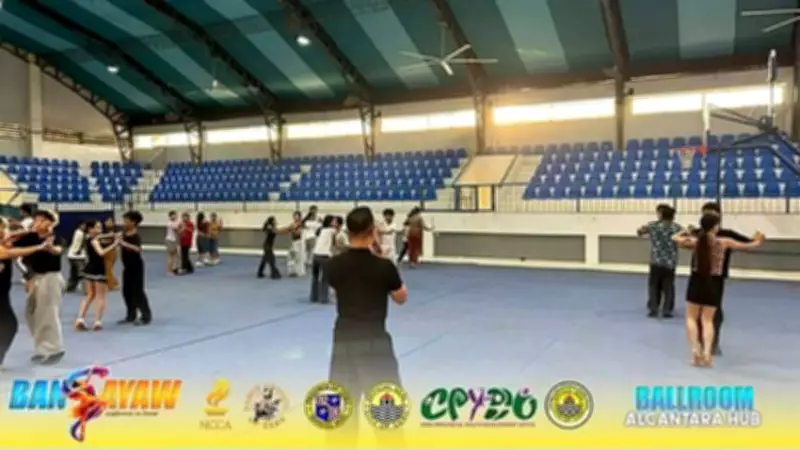
Massive Dance Festival in Cebu Concludes National Arts Month with Over 1,000 Participants
From February 28 to March 1, 2026, the province of Cebu witnessed a vibrant celebration of movement and culture as the BanSayaw: Pagbansay sa Sayaw festival brought together more than 1,000 dancers, volunteers, and organizers. This synchronized two-day event served as the grand finale for National Arts Month, offering free dance training to communities throughout Cebu in an impressive display of artistic unity.
Organizational Leadership and Strategic Partnerships
The workshops were meticulously organized by the Dance Council of Cebu (DCC) in collaboration with key cultural and governmental bodies. Partners included the National Commission for Culture and the Arts (NCCA), the Cebu Provincial Government via the Cebu Provincial Youth Development Office, and the Cebu City Government through the Cultural and Historical Affairs Office. Under the leadership of DCC president Lemuel Rosos, the program was developed by board members Victor Hao Cuenco and Mhike Jellord Rollo, both of whom hold positions as executive council members on the NCCA National Committee on Dance.
Five Strategic Locations Host Simultaneous Workshops
Activities unfolded simultaneously across five carefully selected venues, ensuring broad accessibility for both urban and rural participants. The hubs included the Zapatera Elementary School Gym in Cebu City, the Santa Fe Gymnasium, the Alcantara Gym, the Dalaguete Sports Complex, and the CTU-Danao Campus. Each location was managed by dedicated DCC board members and officers: Victor Hao Cuenco oversaw Cebu City, Engr. Patricio Junjet Primor and Dr. Michaed Dax Barlaan handled Danao City, Lemuel Rosos managed Santa Fe, Mhike Jellord Rollo supervised Alcantara, and John Guaren led Dalaguete.

Comprehensive Curriculum Covering Four Dance Genres
The festival's curriculum was designed to cater to diverse artistic interests, featuring four distinct dance genres. Participants could engage in Contemporary, Philippine Folk Dance, Ballroom (specifically Cha-cha-cha), and Street Dance. Each track was facilitated by a team of experienced instructors:
- Contemporary: Led by Mark Ranel "Macky" Pardillo, Monica Villarica Cusi, Jay Anthony "Tonjie" Mangao, James Bryll Dumandan, and Ruffo Jeffrey "Rjay" Tapang.
- Philippine Folk Dance: Guided by Dr. Kathryn Estenzo, Dr. Michaed Dax Barlaan, Donald Ray Villahermosa, Cathy Vestil, and Glen Albutra.
- Ballroom: Conducted by Victor Hao Cuenco, Arvin D. Flores, Karla Louise Abapo, Davin Q. Unabia, and Novie C. Pasigay.
- Street Dance: Instructed by Albert Igcas, Christian Tondag, Allyca Villaflor, Lorenz Pepito, and Jeffrey C. Toledo.
Emphasis on Community Building and Cultural Reclamation
Dr. Kathryn Estenzo, a DCC board member and facilitator, highlighted that the initiative's core focus is on fostering community connections and reclaiming cultural identity through the universal language of dance. John Guaren, DCC Public Relations Officer, emphasized the significance of having 1,000 individuals participate simultaneously across various venues, marking a powerful conclusion to the month-long artistic celebrations.
Strong Local Government Support and Future Plans
The event received robust support from the municipal governments of Santa Fe, Alcantara, and Dalaguete, as well as the City of Danao, which played a crucial role in making arts education accessible to all. Due to overwhelmingly positive feedback from both partners and participants, the DCC has already begun planning enhanced editions of the BanSayaw workshop for future years. Recognized as an effective platform for the younger generation to express themselves through art, particularly dance, the BanSayaw workshop has undoubtedly left a lasting impact on Cebu's cultural landscape.