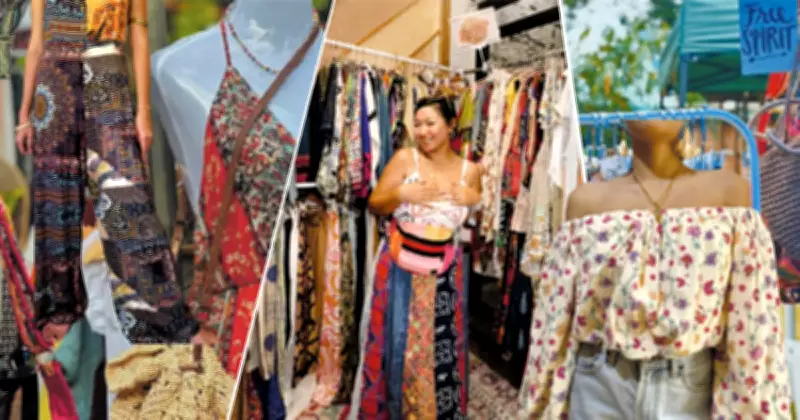
Cebu's Boho Fashion Revolution: Irie Hippie Blends Sustainability with Island Spirit
For centuries, women endured restrictive garments like corsets and waist trainers, which often led to weakened bones, breathing difficulties, and fainting spells, all in pursuit of societal ideals of femininity. By the late 18th century, a rebellion began as women swapped constricting silhouettes for softer fabrics and flowing dresses, a spirit now celebrated as boho chic, a staple from runways to urban streets.
In Cebu, this sense of autonomy thrives vibrantly. Stroll through the city, and you will witness girls floating along in breezy outfits, with fabrics billowing like wings in the wind. For Glory "Mimi" Bitong, the 33-year-old founder of the Cebu-based brand Irie Hippie, this philosophy is deeply personal. Since 2012, Mimi has been curating boho and linen pieces, drawing inspiration from the island's radiant sun and serene sea.
From Personal Style to Purposeful Mission
"Fashion should feel like sunshine on your skin, natural, warm, and consciously free," Mimi expressed in an interview with SunStar Lifestyle. Her journey began with a desire to feel light, free, and comfortable amidst Cebu's tropical climate. Attracted to linen and earthy textures, she started collecting thrifted items that embodied a relaxed, soulful vibe.

Much like bohemian fashion's origins in European counterculture before gracing high-fashion runways, boho was never meant to be confined. Even when Karl Lagerfeld introduced his bohemian collection in the 1970s, the essence remained unchanged. For Mimi, what started as a personal aesthetic quickly transformed into a mission, as friends frequently inquired about her clothing sources.
"Every piece at Irie Hippie carries a story already. It's thrifted, loved before, and now ready for a new chapter," she explained. "When someone wears it, I hope they feel free, confident, and connected to something more mindful and sustainable. It's not just about looking good; it's about feeling grounded, warm, and authentically you."
Island Inspiration and Cultural Collaborations
In a world obsessed with fleeting trends, Mimi remains dedicated to linen and loose silhouettes, finding inspiration in everyday island life. Travel, free-spirited individuals, and soulful music fuel her creativity, but real women living authentic lives are her greatest muse.
A significant milestone for Irie Hippie was a collaboration with T'boli tribe artisans, whose intricate embroidery turned simple linen garments into cultural narratives. This special collection honored heritage and respect, showcasing thoughtful curation and creative reimagining.
"For me, it's about thoughtful curation, creative reimagining, and honoring craftsmanship while staying sustainable. Supporting local artisans isn't just a design choice—it's about community, respect, and keeping artistry alive," Mimi emphasized.
Sustainability as a Lifestyle Choice
While thrifting often starts as a quest for affordability, it evolves into a pursuit of quality over quantity, timelessness over trends, and story over speed. In Cebu City, thrifting has blossomed into a cultural movement, quietly resisting fast fashion's relentless cycle.
"It means stepping away from fast trends and embracing timeless, breathable pieces that truly feel like you," Mimi noted. "Conscious dressing is wearing something that feels good on your body, good for the planet, and good for your soul."
The Power of Creative Community
Cebu's creative community plays a crucial role in nurturing independent brands like Irie Hippie. "There's a strong culture of collaboration over competition," Mimi observed. "Artists, pop-up organizers, and small business owners genuinely uplift each other."
This supportive environment empowered her to innovate, such as offering a "selected closet" service, where she brings curated pieces directly to clients' homes for personalized styling sessions. "It allows me to connect more deeply with women and help them find pieces that truly fit their lifestyle and personality," she shared.

Fashion has long mirrored societal expectations of women, once demanding restriction but now, in places like Cebu, celebrating liberation. Sustainability can indeed be stylish, and perhaps that is its true beauty. When fabric moves freely, so do we, embracing a future where fashion empowers both individuals and the planet.