Published on: January 31, 2026, 10:50 AM
The Defining Dresses of Romantic Comedies: Symbols of Growth and Change
Growing up and growing older while rewatching romantic comedies, there is often a defining dress that captures the essence of a character's journey. This iconic garment typically appears midway through the film, sometimes accompanied by a familiar song that enhances the emotional impact. The moment signals a significant shift, when a character steps more fully into herself, embracing confidence, self-awareness, or emotional readiness. These dresses do more than merely costume a character; they become integral to the narrative, influencing how audiences think about dressing for romance and life transitions.
Around Valentine's Day, such looks are often revisited as reference points, tied to pivotal moments when characters' stories change, reflecting broader themes of love and personal evolution. In this analysis, we delve into several memorable dresses from popular romantic comedies, exploring their symbolic meanings and lasting cultural impact.

Poppy Wright's Green Slip Dress in "People We Meet on Vacation"
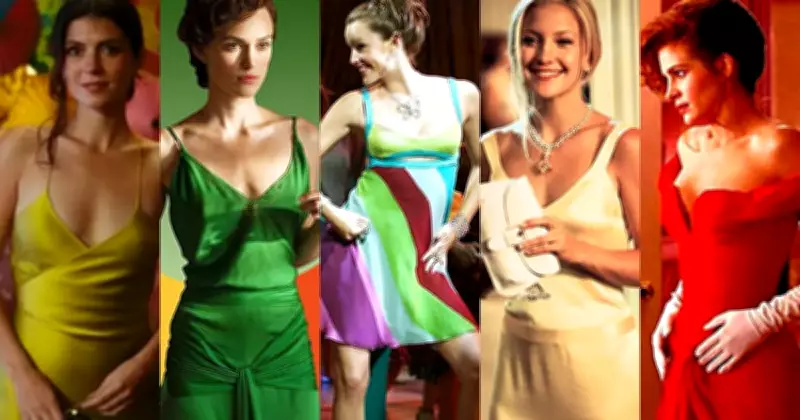
In People We Meet on Vacation, Poppy arrives at a wedding rehearsal wearing a chartreuse slip dress as Taylor Swift's "August" plays in the background. The color is striking without being harsh, creating a visual balance between casual and intentional. As a rehearsal dinner look, it meets social expectations while subtly standing out, making a statement about Poppy's personality and unresolved emotions.
Within the scene, the dress functions as a powerful visual cue, signaling timing and emotional tension, particularly with Alex already present. It underscores the complexities of their relationship, highlighting how fashion can mirror inner turmoil and desire in cinematic storytelling.
The Dress That Changed the Temperature of the Room in "Atonement"
In Atonement, Cecilia's green silk gown has been described by Vogue as a dress that earned a permanent place in fashion history. This gown reflects emotional tension rather than mere ornamentation, with its color suggesting both restraint and deep-seated desire. It intensifies the dynamic between Cecilia and Robbie, adding layers to their unspoken longing.
The impact of this dress lies in how it mirrors the cost and weight of unspoken emotions within the film's narrative, making it a timeless symbol of passion and tragedy in romantic cinema.
Thirty, Flirty, and Thriving in "13 Going on 30"
Jennifer Garner's character Jenna wears a multicolored Versace mini dress that visually represents the film's central theme of youthful optimism and self-discovery. The dress reflects playfulness and a vibrant outlook, reinforcing that Jenna retains her youthful spirit despite her age. Paired with the character's butterfly updo, the look remains one of the film's most referenced visual moments, embodying joy and transformation.
This iconic outfit celebrates the idea of embracing life with enthusiasm, making it a beloved symbol in romantic comedy history.
The Ultimate Reveal in "How to Lose a Guy in 10 Days"
In How to Lose a Guy in 10 Days, the yellow gown worn by Andy Anderson became one of the film's most recognizable moments. At the time, the choice of yellow for a blonde lead was unconventional, aiming to place the character in something unfamiliar and transformative. The reveal scene briefly pauses the story, emphasizing honesty and vulnerability alongside romance.
This dress highlights how fashion can challenge norms and reveal deeper truths about a character's journey toward authenticity.
The Power of Red in "Pretty Woman"
Red plays a central role in the visual storytelling of Pretty Woman, where Julia Roberts' character undergoes a profound transformation marked not only by romance but by growing self-worth. The red dress signals confidence and visibility, underscoring a shift in how the character is perceived and how she perceives herself. It becomes a powerful emblem of empowerment and change, resonating with audiences worldwide.
This iconic look demonstrates how color and design in film can amplify themes of personal growth and romantic fulfillment.

In conclusion, these defining dresses in romantic comedies serve as more than just fashion statements; they are narrative tools that encapsulate character arcs, emotional depth, and cultural moments. As we revisit these films, they remind us of the enduring power of cinema to inspire and reflect our own journeys through love and life.