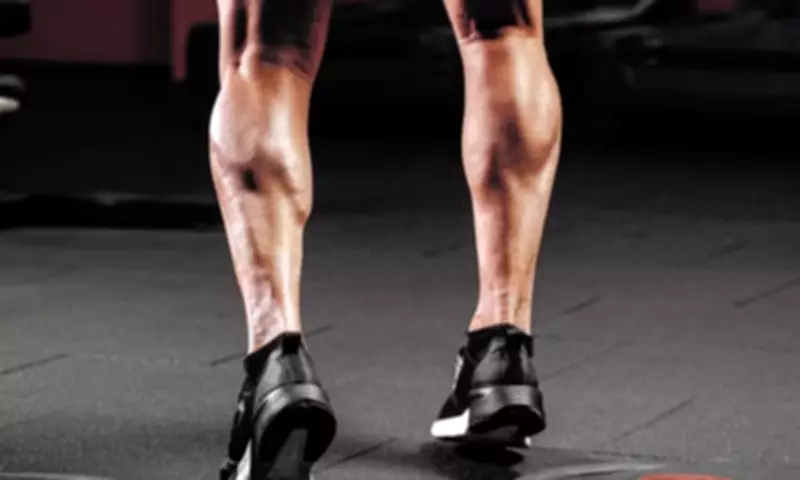
The term 'Filipino calves' has become a viral internet sensation, describing the noticeably defined calf muscles often associated with Filipinos. What started as casual online commentary has evolved into a lighthearted global observation, sparking jokes and even theories about its origins.
How It Started
One of the most widely shared posts came from TikTok user AJ of Dubai, who said, 'Do you know who's got the sickest calves? Filipinos.' The video earned over half a million likes and more than nine million views. The comment section quickly filled with users agreeing and sharing similar observations. The discussion even made its way into podcast conversations, including the Cheatcoders Podcast, where hosts jokingly linked it to Filipino history and lifestyle habits.
Possible Explanations
While no scientific study confirms the trend, several anecdotal and humorous theories have circulated online. One theory points to geography: many Filipinos historically lived in mountainous or rural areas, requiring long walks and navigating uneven terrain. Another highlights earlier generations when walking was the primary mode of transportation. School life also enters the conversation, with references to long morning assemblies, anthem singing, and extended announcements under the heat. Sports like basketball, widely played from formal courts to makeshift hoops, require constant running, jumping, and footwork. Diet is also part of the discussion, with the carbohydrate-rich Filipino diet humorously described as 'fuel' for strong legs. Even everyday habits like kuyakoy — bouncing one's leg while seated — is jokingly called 'hidden calf training.'

The Calf Muscle and Genetics
The calf muscle, located at the back of the lower leg, consists of three muscles: gastrocnemius, soleus, and plantaris. According to the Cleveland Clinic, these muscles help with walking, running, jumping, standing on toes, and maintaining balance. Genetics plays a significant role, with a July 2025 report from Everyday Health noting that genetics may influence 'between 40 and 50 percent of muscle fiber proportions.' Calf shape is also affected by the length of the muscle relative to the tendons, which can affect how defined they appear.
Something to Be Proud Of
Many Filipinos take pride in this trait. Well-known athletes like Manny Pacquiao, Carlos Yulo, and Hidilyn Diaz are recognized for their strength and athleticism, supported by strong lower-body conditioning. What began as an online joke has turned into a form of recognition, sparking curiosity and even admiration worldwide. More than anything, these 'Filipino calves' reflect movement, resilience, and everyday habits shaped by environment and culture — traits that have carried generations forward.