Cebu City Maintains SRP Pond A as Waste Holding Area After Cleanup Completion
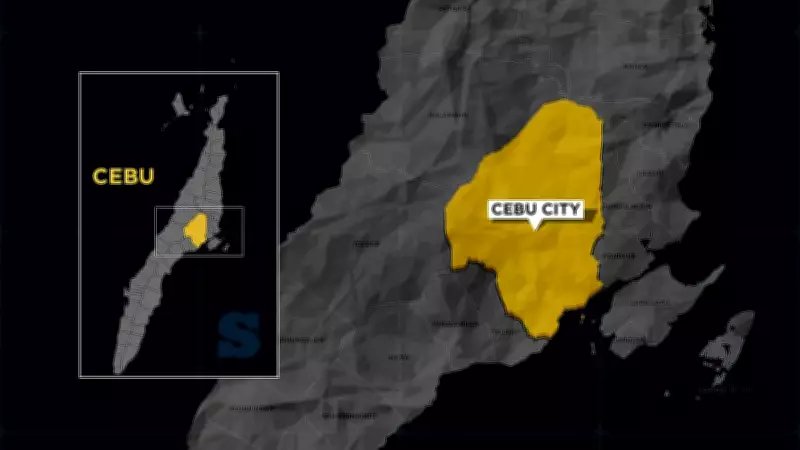
Cebu City Government has decided to persist in utilizing Pond A at the South Road Properties (SRP) as a holding area for garbage, even though it was fully cleaned on March 15. This strategic move aims to guarantee that waste collection operations proceed without any delays, ensuring public health and environmental safety.
Controlled Schedule Implemented for Waste Disposal
According to Cebu City Mayor Nestor Archival, the area, which was completely cleared of accumulated waste on March 15, will now operate under a strictly controlled schedule. Specifically, dumping of debris and waste materials will only be permitted during nighttime hours. Under this new arrangement, garbage trucks from various barangays will commence unloading at 9:00 PM, after which private haulers will transport the waste to disposal sites located outside the city.
The city's objective is to have all waste removed from Pond A before 5:00 AM the following day, minimizing any potential disruptions or odors for nearby residents. Mayor Archival emphasized that, starting from the evening of March 16, Pond A will no longer function as a final disposal site but rather as a temporary transfer point. Here, waste will be briefly consolidated before being moved to its ultimate destination for disposal.

Waste Transported to Aloguinsan Landfill Amid Ongoing Challenges
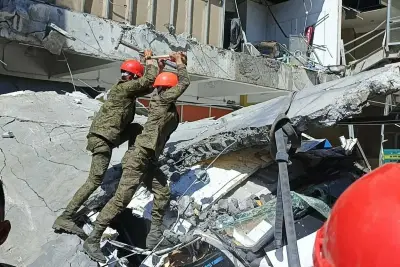
The garbage collected from Cebu City is now being transported to the landfill in Aloguinsan. This facility has become the primary disposal site following the closure of the Binaliw Sanitary Landfill. The closure was necessitated by a tragic trash slide incident in January, which resulted in the loss of 36 lives, highlighting the urgent need for safer waste management practices.
Paul Gelasque, head of the Department of Public Services (DPS), provided details on the logistical scale of this operation. He stated that approximately 100 trucks will be deployed daily, making an estimated 150 trips from the SRP to the disposal sites. This extensive effort underscores the city's commitment to managing its waste efficiently despite the increased distances involved.
SRP Operation Viewed as Temporary Solution
Gelasque described the current operation at SRP Pond A as merely a band-aid solution. The city is actively engaged in discussions with the Department of Environment and Natural Resources (DENR) to explore the possibility of reactivating the old transfer station in Inayawan. If approval for Inayawan is not granted, the operations at Pond A will continue indefinitely until a landfill closer to the city can be identified and established.
Gelasque acknowledged that residents may still experience some effects, such as odors or the presence of waste, due to the transfer activities. However, he assured that these impacts are significantly reduced compared to previous situations where waste would accumulate for extended periods, leading to more severe environmental and health concerns.
Financial Implications and Budgetary Needs
The increased distance for waste transport, coupled with rising fuel prices, is expected to drive up the overall costs of waste management. Currently, the city council has approved an annual budget of PHP 500 million for these operations. Should expenses double as anticipated, Cebu City will require an additional PHP 600 million in supplemental funding to cover the heightened costs effectively.
This financial challenge highlights the broader economic pressures faced by urban centers in managing waste sustainably. The city's proactive measures, including the controlled use of Pond A and ongoing negotiations for alternative sites, reflect a dedicated effort to balance immediate operational needs with long-term environmental and fiscal sustainability.