Cebu City to Continue Using SRP as Nighttime Garbage Transfer Station Despite Clearance
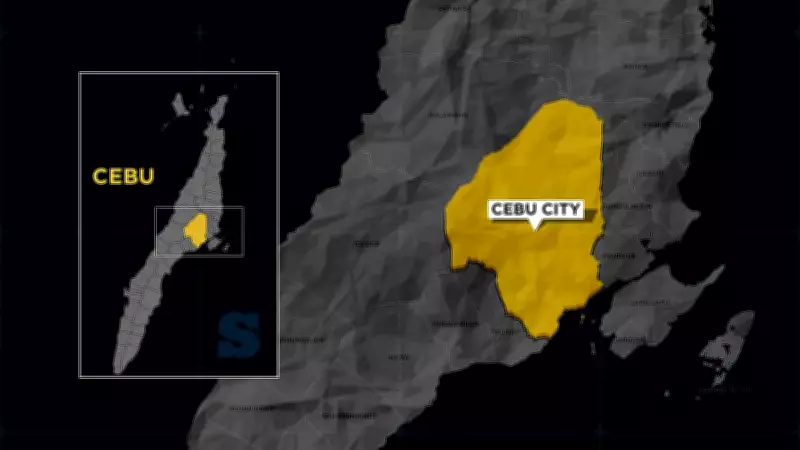
Cebu City Government has announced that it will persist in utilizing Pond A at the South Road Properties (SRP) as a temporary nighttime garbage transfer station, even after recent clearing efforts. This decision comes as the city grapples with an ongoing waste disposal crisis, struggling to manage the daily influx of garbage from its barangays.
Controlled Schedule and Temporary Measures
Mayor Nestor Archival emphasized that waste from barangays will be unloaded exclusively after 9 p.m. and transported to the city's Aloguinsan landfill before 5 a.m. the following day. He clarified that Pond A will not serve as a dumping ground but as a transfer point for temporary consolidation before final disposal. This controlled schedule is a stopgap measure while the city negotiates with the Department of Environment and Natural Resources (DENR) to reopen the former Inayawan waste facility.
The need for this arrangement arose after the Binaliw Sanitary Landfill was ordered closed due to a deadly trash slide in January that claimed 36 lives. Department of Public Services head Paul Gelasque explained that around 100 hauling trucks will be deployed daily, making an estimated 150 trips to transport waste from the SRP to disposal sites. He acknowledged that some residents near the SRP may still be affected by garbage operations but assured that the impact will be minimal compared to previous periods when waste was piled up for extended durations.

Environmental Concerns and DENR Warnings
Despite these assurances, the Environmental Management Bureau (EMB) of DENR-7 had earlier rejected the proposal to use the SRP as a temporary garbage holding site near Pond A. In a January 15 letter, then DENR-7 director Ma. Victoria Abrera cited violations of Republic Act 9003, noting that the location failed to meet environmental standards due to its proximity to a water body and lack of designation for waste handling in the land-use plan.
The EMB warned that waste facilities near water sources could lead to contamination through leachate seepage and stressed that transfer stations must comply with strict requirements, including proper buffers, adequate space, and a maximum waste storage period of 24 hours. Monitoring on January 21, 2026, revealed multiple violations at the site, such as mixed municipal waste, absence of liners and leachate systems, and insufficient odor and pest control, all posing contamination risks to Pond A.
Financial Implications and Future Plans
Mayor Archival disclosed that ongoing discussions with the DENR focus on whether the Inayawan facility can be reactivated as a transfer station. If this request is not approved, the city will continue using Pond A temporarily until a landfill closer to Cebu City is identified. Currently, City Hall allocates approximately P500 million annually for waste management, but this amount could increase significantly due to rising fuel prices and longer hauling distances.
Archival warned that costs might double, potentially requiring an additional P600 million, and he may soon request a supplemental budget to cover these expenses. He stressed the importance of balancing regulatory compliance with cost reduction, noting that the city pays private haulers around P3,906 per ton for their services. Despite the challenges, the city government remains committed to finding a more sustainable long-term solution to its garbage disposal problem and urges residents to assist by practicing proper waste segregation in their households.