Cebu City's Waste Segregation Crackdown Stalls Amid Leadership Dispute and Landfill Crisis
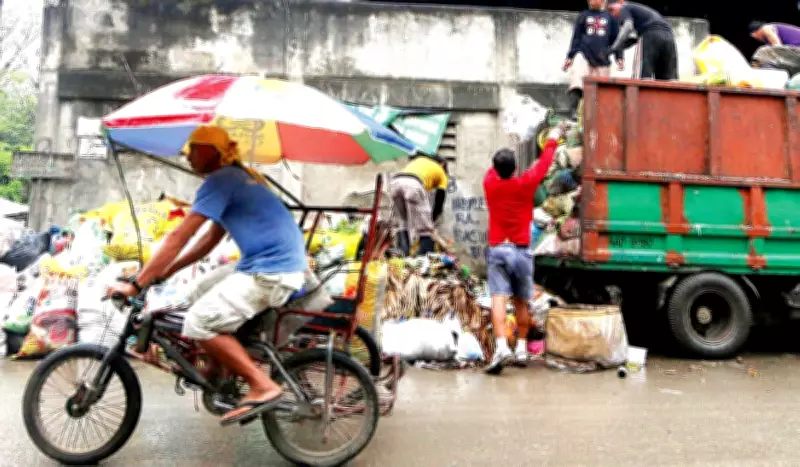
Cebu City's ambitious effort to crack down on unsegregated trash with stricter fines has hit a significant roadblock, as local leaders grapple with unclear enforcement responsibilities and an ongoing garbage disposal crisis stemming from a tragic landfill collapse. The "no segregation, no collection" policy, which mandates homes and businesses to separate waste before pickup, remains unenforced due to these compounding challenges.
Leadership Dispute Over Enforcement Authority
During a public hearing on March 3, 2026, the City Council debated who should lead the enforcement of the long-delayed policy. John Paul Gelasque, head of the Department of Public Services (DPS), stated that while his team handles garbage collection, the Cebu City Environment and Natural Resources Office (Ccenro) should oversee enforcement due to its capacity for education campaigns at the local sitio level.
Vice Mayor Tomas Osmeña questioned whether Ccenro has sufficient manpower to educate the entire city and implement strict rules. Councilor Pastor "Jun" Alcover Jr. emphasized the need for clear leadership to sustain information campaigns in barangays. In defense, Councilor Dave Tumulak noted that Ccenro has already deputized barangay environmental officers to raise awareness within communities.

Proposed Stiffer Penalties for Violators
Councilor Tumulak authored proposed changes to update City Ordinance 2031, aligning it with Republic Act 11898, the Extended Producer Responsibility (EPR) Act of 2022. This amendment mandates large enterprises to adopt EPR programs for plastic packaging waste, aiming for an 80% recovery rate by 2028. The new rules would impose heavier penalties than the 2004 law, which only charged a P500 fee and required community service.
Under the proposal, first offenses carry a minimum fine of P1,000, increasing to P2,000 for second offenses. A third offense results in a P3,000 fine and a warning. Subsequent violations could lead to fines up to P5,000, imprisonment for up to six months, or both. Violators can avoid court by paying a P1,000 fine or performing four hours of community service supervised by Ccenro. If a court complaint is filed without a final judgment, settlement is possible with a P2,000 payment.
To incentivize local enforcement, 30% of collected compromise fees would go to the barangay that caught the violator. For businesses, top officials like presidents or managers will be held legally responsible for rule breaches.
Garbage Disposal Crisis Exacerbates Challenges
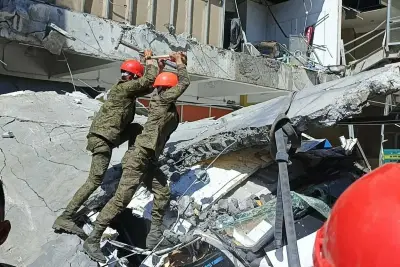
The city's garbage situation worsened dramatically after a tragic trash slide at the Binaliw landfill on January 8, which killed 36 people. Following this, the environmental department ordered the facility closed indefinitely. Now, Cebu City must haul 600-1,000 tons of garbage daily to a transfer station at the South Road Properties, then to a private landfill in Aloguinsan, about 60 kilometers away.
This detour has tripled disposal costs, with tipping fees jumping from around P1,100 per ton at Binaliw to about P3,906 per ton at Aloguinsan. Councilors expressed concerns that enforcing segregation rules without a stable disposal system could cause garbage to pile up in neighborhoods.
Mayor Postpones Enforcement Amid Ongoing Struggles
Due to these heavy challenges, Mayor Nestor Archival announced that the strict "no segregation, no collection" policy and its new penalties will not be enforced in March 2026. He agreed that forcing implementation is too difficult without a permanent landfill capable of receiving the city's waste. While the local government works to resolve the crisis, councilors are urging residents to start separating garbage at home to prepare for when the rules eventually take effect.