Cebu City Mayor Advocates for Composting in Upland Barangays to Alleviate Garbage Crisis
In a decisive move to address Cebu City's escalating garbage crisis, Mayor Nestor Archival has called upon the city's 28 upland barangays to halt the disposal of biodegradable waste in landfills. Instead, he is promoting the adoption of composting and enhanced segregation practices as a sustainable solution to reduce waste volume and ease pressure on disposal sites.
Targeting Waste Reduction at the Source
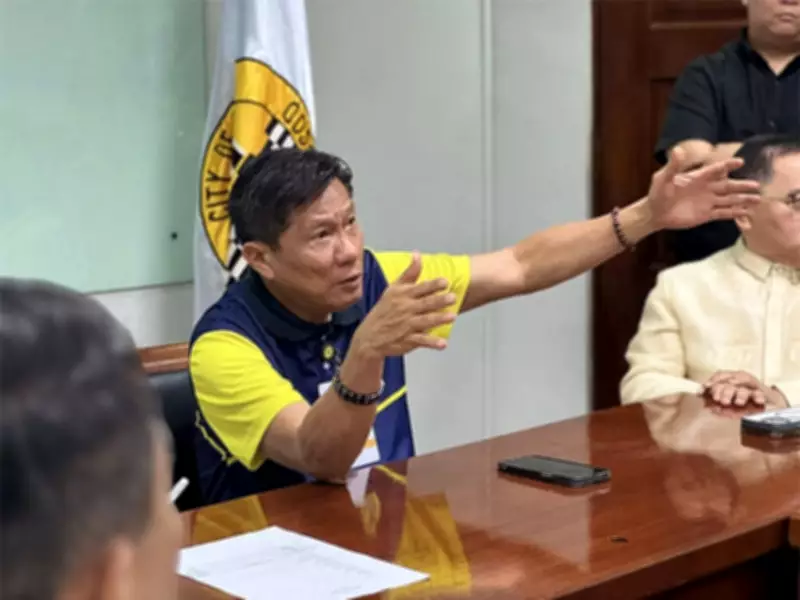
During a press conference held on Monday, February 16, 2026, Mayor Archival emphasized that by implementing household-level composting systems in mountain barangays, the city could potentially decrease landfill intake by 25 to 30 tons each day. This initiative aims to eliminate the need for transporting biodegradable waste to landfills in Consolacion and the upcoming site in Aloguinsan, thereby streamlining waste management efforts.
"In the upland barangays, we are urging them to just compost so that the waste will no longer be brought to the landfill," Archival stated, highlighting the importance of localizing waste processing to mitigate environmental impact.

Enhancing Segregation in Lowland Areas
For lowland barangays, the mayor has directed a focus on intensifying waste segregation programs. This effort is designed to support materials recovery facilities (MRFs) located at Carbon Public Market, Block 27 in Barangay Mabolo, and the South Road Properties (SRP). By segregating recyclable and residual waste, these facilities can process materials more efficiently, reducing reliance on the Consolacion landfill, which currently operates under a strict daily cap of 150 tons.
Archival explained that instead of sending mixed garbage directly to landfills, segregated waste can be shredded and processed at MRFs, significantly cutting down on overall landfill dependence. "We now have more MRFs so that we can segregate more, shred more, and reduce the amount of waste being disposed of in Consolacion," he added, underscoring the city's commitment to improving waste infrastructure.
Addressing Collection Challenges and Public Concerns
The mayor acknowledged the challenges posed by the city's interval-based garbage collection system, which rotates schedules to manage limited landfill capacity. He noted that not all garbage can be hauled daily, leading to complaints from barangay captains. However, Archival assured that this setup is temporary and necessary until waste disposal arrangements stabilize.
"With the interval system, they also need to understand that we really cannot throw everything away all at once. These are circumstances that we have to endure," he said, appealing for public patience as reforms are gradually implemented. While improvements have been observed in recent days, Archival stressed that a 100-percent solution cannot be achieved immediately and requires ongoing cooperation from both upland and lowland communities.
Background and Future Outlook
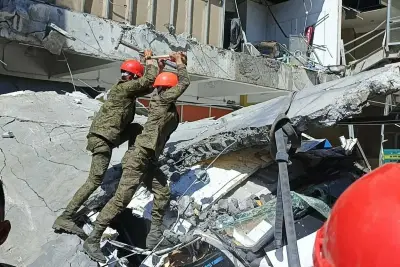
This waste management initiative follows the tragic Binaliw Landfill trash slide, which claimed 38 lives and starkly highlighted the city's worsening garbage problem. Mayor Archival expressed optimism about future progress, stating, "In the future, maybe we can achieve that, but give us time," as the city works towards more sustainable and effective waste handling practices. Through these combined efforts, Cebu City aims to foster a cleaner environment and reduce its ecological footprint over time.