Cebu Revives Truck Ban as Pre-Pandemic Traffic Returns Under MGCQ
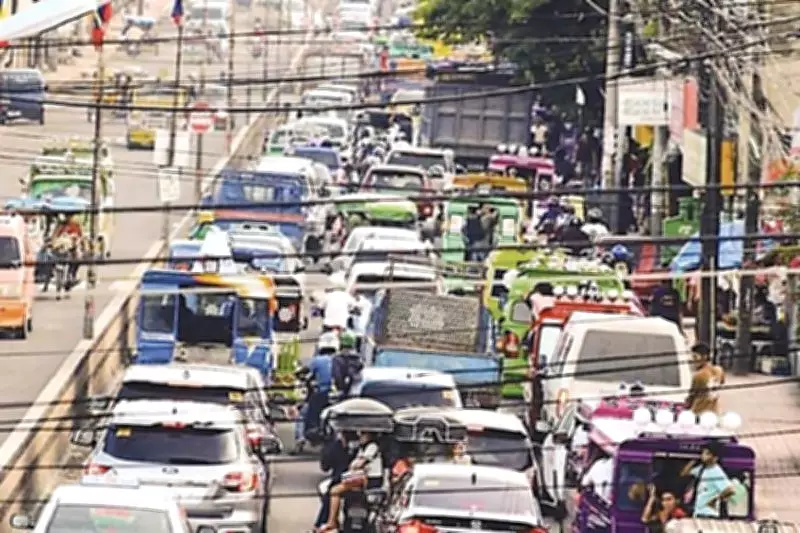
As Cebu transitions into modified general community quarantine (MGCQ), officials in Talisay City have observed a significant resurgence in traffic congestion during rush hours, mirroring levels seen before the Covid-19 pandemic. In response, the city has reinstated its truck ban to mitigate potential traffic problems, highlighting a broader regional effort to address logistical inefficiencies.
Standardizing Truck Ban Schedules Across Metro Cebu
Provincial Governor Pamela Baricuatro emphasized the critical need for a unified truck ban schedule across Metro Cebu during a meeting with traffic managers on Tuesday, April 14, 2026. This initiative aims to alleviate traffic bottlenecks and stabilize commodity prices, particularly as the province grapples with an inflation rate that surged to 9.1 percent in March 2026, driven by increases in transportation fares and food costs, according to data from the Philippine Statistics Authority (PSA).
Currently, the 14 local government units (LGUs) from Danao City to Carcar, including Cebu, Mandaue, and Lapu-Lapu, enforce disparate truck ban schedules, fines, and exemptions. This lack of coordination often forces truck drivers to park roadside while awaiting ban lifts, exacerbating congestion rather than easing it. Governor Baricuatro stressed that a common policy is essential to reduce bureaucratic hurdles and support truckers, stating, "We need to establish a unified schedule for the truck ban. We must also show compassion to truckers. This is bureaucracy at its best here."

Logistics and Inflation: A Direct Connection
The meeting revealed stark inconsistencies in penalties and exemptions among LGUs. For instance, Talisay City imposes a P5,000 fine for third offenses, while Mandaue charges P2,000 per violation and Naga sets P500 for first-time offenders. Exemptions vary widely, with some LGUs allowing trucks carrying essential goods like rice, perishable food, livestock, and petroleum products, along with government or emergency vehicles, whereas others include private contractors on government projects or require permits from logistics firms.
Maria Theresa Sederiosa, industry development chief at the Department of Trade and Industry in Central Visayas (DTI) 7, noted that her agency has convened logistics stakeholders to investigate rising commodity prices. She identified harmonizing logistics regulations as a key solution, alongside long-term proposals to establish a national body overseeing the logistics sector. Governor Baricuatro underscored that these disparities highlight the absence of a unified policy, with transportation costs directly impacting market prices and contributing to inflation.
Moving Forward with Standardization Efforts
Traffic managers have agreed to present the proposal for standardized truck ban schedules to their respective mayors, with another meeting planned involving local chief executives to finalize the plan. This collaborative approach seeks to create a more efficient logistics network, reduce traffic congestion, and help control inflation in Metro Cebu, as the region navigates post-pandemic recovery challenges.