Cebu City's SRP Waste Dump Labeled 'Ecologically Unwise' by Chemical Engineering Expert
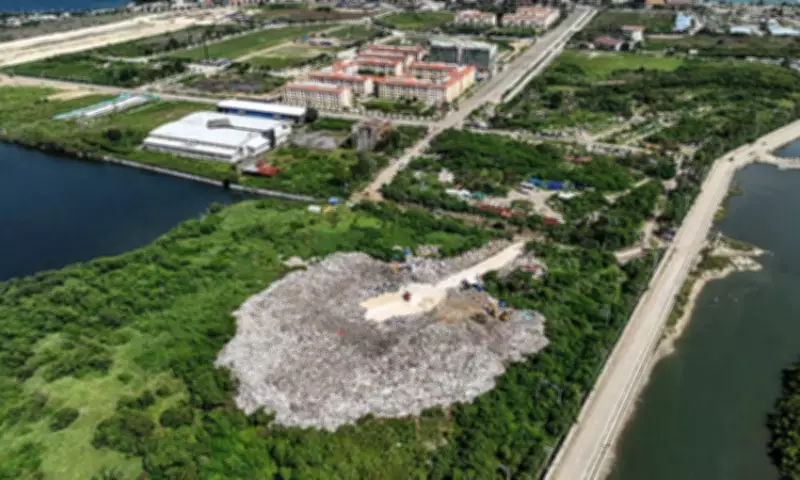
In a recent interview with SunStar Cebu, Dr. Ian Dominic Tabañag, a chemical engineering specialist, expressed grave concerns over the Cebu City Government's decision to designate the South Road Properties (SRP) as a temporary garbage dump. He described the move as 'ecologically unwise' and potentially hazardous to the environment due to its proximity to the ocean and mangrove areas.
Risks to Sensitive Ecosystems Highlighted
Dr. Tabañag emphasized that despite SRP being a reclaimed area, it remains dangerously close to mangroves and Tagunol Creek. This proximity significantly increases the risk of water contamination from the waste being disposed of in Pond A at the site. He warned that if the garbage transported to SRP includes non-recyclable and biodegradable waste, the environmental threats could escalate rapidly.
Estimates indicate that Cebu City generates between 600 to 700 tons of waste daily, with approximately half of this being biodegradable material. If left unmanaged, this organic waste can release methane gas and leachate, leading to severe odors and fly infestations that heighten disease risks for nearby communities.

Temporary Solutions and Long-Term Consequences
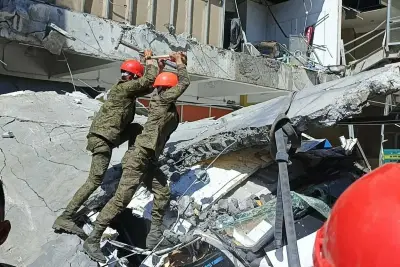
Dr. Tabañag cautioned that using deodorizers is merely a temporary fix and does not halt the natural decomposition processes of waste. He stressed, "Not just the people will be affected, but the ecosystem as well." The current garbage crisis was triggered by a tragic trash slide at the Binaliw landfill on January 8, 2026, which resulted in 36 fatalities, forcing the city to seek urgent alternatives.
In response, the City Council has requested the reopening of a three-hectare section of Prime Integrated Waste Solutions (PWS) in Binaliw, currently closed under orders from the Department of Environment and Natural Resources (DENR) 7. However, Dr. Tabañag urged city officials to carefully weigh the long-term impacts of the SRP dump site, warning that prolonged use could lead to legal challenges from affected communities.
This situation underscores the critical need for sustainable waste management strategies in urban areas to protect both public health and fragile ecosystems.