The Department of Agriculture (DA) in the Philippines is maintaining a vigilant watch over the potential repercussions of the ongoing tensions in the Middle East on the nation's agricultural sector and trade dynamics. In an official statement released on Tuesday, the agency emphasized that prolonged conflict in the region could swiftly impact Philippine agriculture, particularly as the country relies on imports for several critical products.
Potential Economic Ripple Effects
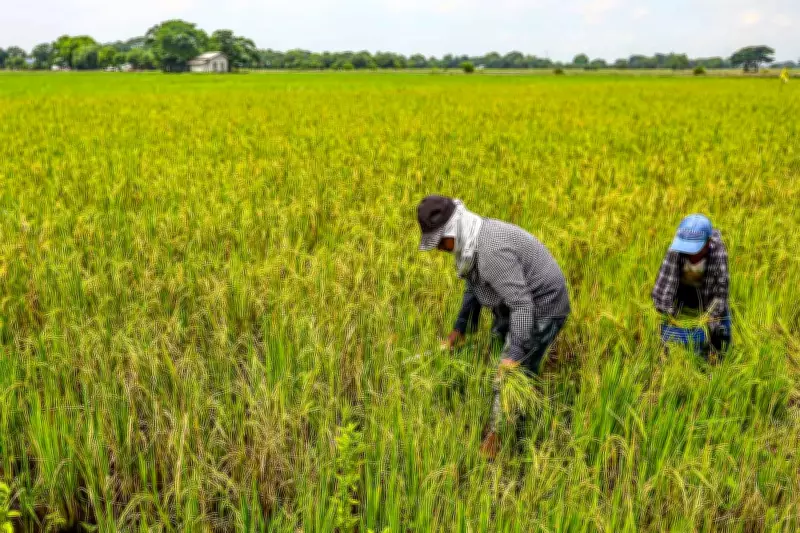
Agriculture Secretary Francisco Tiu Laurel Jr. highlighted that a significant concern is the possible surge in global oil prices. Such an increase would directly lead to higher costs for crude oil, fertilizers, and freight transportation. The DA stressed that if crude oil prices continue to climb, the expenses for farm inputs for local farmers will inevitably rise as well.
Implications for Food Supply and Prices
Furthermore, shipping rates are anticipated to escalate due to more expensive fuel, which would subsequently raise the landed cost of imported commodities like flour and animal feed. Should this scenario unfold, it could trigger price hikes for essential food items such as bread, chicken, and pork in the market. This development poses a challenge to the government's ongoing efforts to control food inflation and maintain affordability for consumers.

Government Response and Mitigation Strategies
Previously, President Bongbong Marcos Jr. assured the public that the country has an adequate oil supply despite the Middle East tensions. He noted that the government is actively studying the provision of fuel subsidies to sectors most affected by oil price volatility, including transportation and agriculture. Additionally, the administration is considering a proposal to grant the President temporary authority to reduce the fuel excise tax, aiming to lower oil prices and alleviate economic pressure on these critical industries.