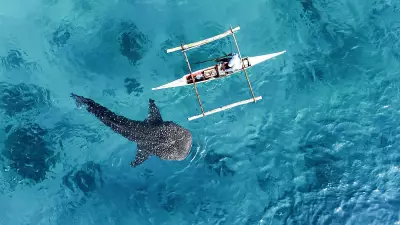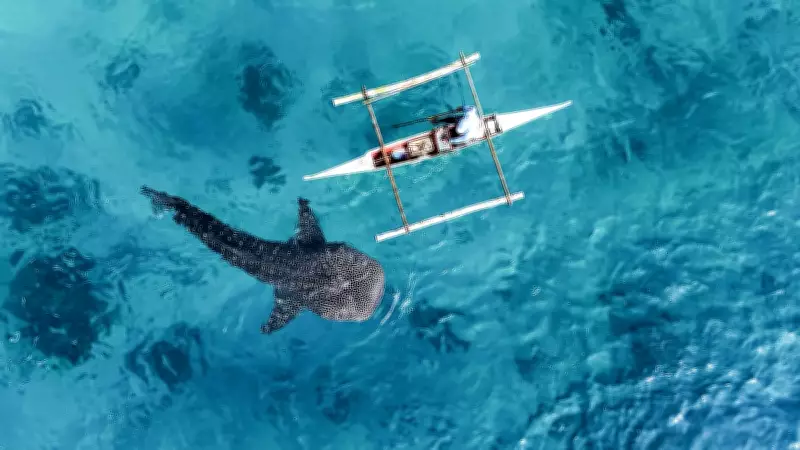
Oslob Mayor Ronald Guaren has defended the municipality’s whale shark tourism operations following a recent four-day absence of the endangered species from the town’s interaction area. The absence of whale sharks during the early morning hours from Friday, May 22 to Monday, May 25, 2026, prompted a temporary pause in the tourist activity.
Mayor Cites Natural Causes
Guaren said the absence of whale sharks from the interaction area was a natural, seasonal occurrence influenced by environmental conditions rather than a permanent disappearance. The mayor also rejected claims that local tour operators feed the whale sharks as their primary source of nutrition, saying instead that it is only done to entice the gentle giants to surface.
“Actually, it is not feeding, it is just to entice or lure them to surface because if you do not give them a little, they will not come out and so how can we show them,” Guaren said in Cebuano as he addressed criticisms regarding the practice of feeding the animals at the site.

Feeding as a Minor Intervention
The mayor said without this intervention, the whale sharks would simply stay in deeper waters. “Because if you no longer give them a little (food), they won’t come out anymore. They’re already down below; they’re migratory. They just suddenly appear or simply pass by,” Guaren explained in an interview with SunStar Cebu.
Guaren emphasized that the local tourism industry is not solely dependent on whale shark interactions, stating that Oslob is prepared for the unpredictable behavior of wildlife. “We are ready. It’s nature. It’s natural. It’s a species that we can’t control,” Guaren said, adding that the local government cannot assure tourists of the constant presence of whale sharks because the animals are wild and free to come and go anytime.
Seasonal Patterns and Environmental Factors
He also addressed misconceptions that the same whale sharks occupy the interaction area daily. Citing a past study by a non-governmental organization, he said different whale sharks cycle through the waters of Oslob every day, although there have been times in the past when the ocean giants were temporarily absent. “It’s not the first time. It’s seasonal. There are seasons that they don’t show up,” Guaren said, noting that sea temperature changes and typhoons disrupt regular sightings.
According to the mayor, factors such as heavy rains, typhoons, drops in water temperature, and an abundance of deep-sea food sources cause whale sharks to stay away from the shoreline. Considered the largest fish in the world, whale sharks are an endangered species, with global populations declining due to fishing pressure, bycatch, habitat loss, and human disturbances.
Regulatory Revenue for Protection
The town’s collections from the whale shark attraction are treated as regulatory revenue to protect marine resources rather than commercial corporate income. “We will not say income. That’s revenue. It’s a regulatory issue. If it’s not regulated, it will be exploited. You have to protect the resource,” Guaren said.
He encouraged tourists to still visit the municipality, highlighting other natural destinations such as Sumilon Island, Tumalog Falls, and monkey-viewing sites. “If you go to the whale shark (site), there are still a lot of beautiful sites to visit in Oslob,” Guaren concluded.