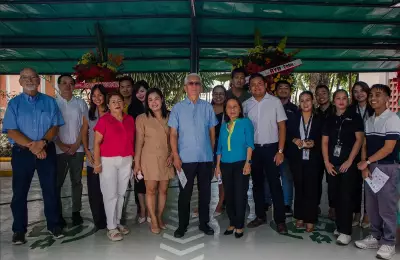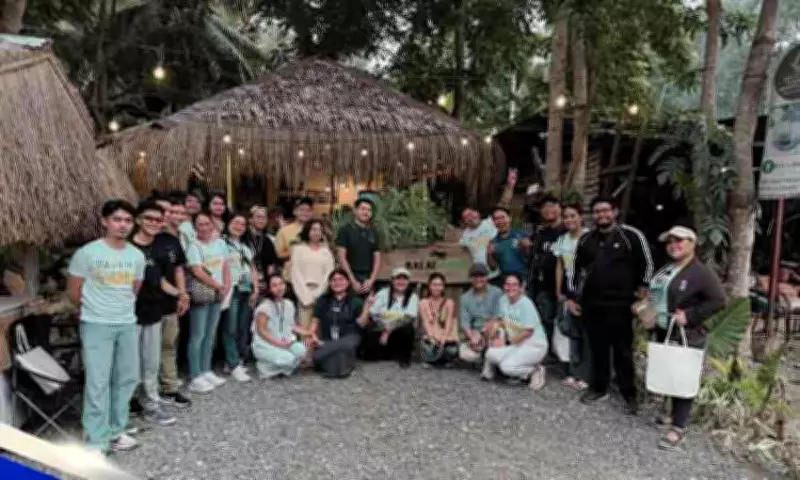
Media practitioners, content creators, and representatives from the City Tourism Investment Office (CITO) and City Environment and Natural Resources Office (CENRO) of the Island Garden City of Samal joined the “Suroy Ta Sa Samal” tour on May 26, 2026. The initiative was organized by Interfacing Development Interventions for Sustainability (IDIS) under the EU-Philippines Green Economy Partnership for Circular Economy Education and Behavioral Change Project, implemented by the United Nations Development Programme (UNDP).
Circular Economy at the Forefront
According to Atty. Mark Peñalver, IDIS director, the initiative was designed to highlight circular economy practices, with establishments carefully selected and assessed based on circular economy standards. He said IDIS aims to strengthen these efforts through continued support. “Through this initiative, we are going to help these establishments strengthen their circular economy practices and inform the people that there are things like this in the island aside from resorts,” Peñalver said.
More than just a tourism activity, the tour highlighted how micro, small, and medium enterprises (MSMEs) across Samal Island are embracing sustainability while continuing to grow their businesses. Through eco-conscious operations, responsible resource management, and community-centered practices, these establishments demonstrate that tourism can thrive while protecting the environment.

Understanding the Circular Economy
At the center of the initiative is the concept of the circular economy, a sustainable economic model that focuses on reducing waste, maximizing resources, and extending the life cycle of materials through reuse, recycling, and responsible consumption. Circular economy practices encourage businesses and communities to minimize environmental impact while creating long-term sustainable growth.
Guiding many of these efforts are the 10Rs of the Circular Economy: Refuse, Rethink, Reduce, Reuse, Repair, Refurbish, Remanufacture, Repurpose, Recycle, and Recover. These principles encourage more mindful production and consumption by limiting waste and prioritizing sustainability in everyday operations.
Featured Eco-Friendly Establishments
Among the featured destinations was Sunny Houses, an eco-conscious accommodation promoting sustainable living through mindful energy use, segregation, and environmentally friendly practices integrated into its operations. The establishment uses solar electricity to reduce dependence on conventional power sources, demonstrating how tourism spaces can adopt cleaner energy solutions.
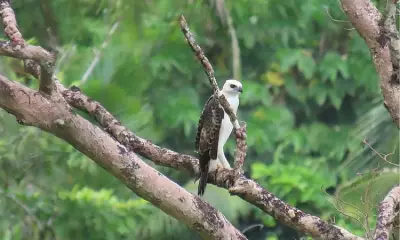
The tour also visited Monfort Bat Cave, home to one of the world’s largest colonies of fruit bats. Beyond being a well-known tourist destination, the site plays an important role in wildlife conservation and environmental education, promoting biodiversity protection and raising awareness about the ecological importance of bats.
Another stop was Baum Cafe, a charming café known for its relaxing ambiance and thoughtfully curated menu, as well as integrating sustainable practices into its operations. It promotes low-waste consumption through its refill station concept, offering lotions, shampoos, massage oils, and other personal care products without sachets or single-use plastic packaging. Guests are encouraged to bring their own bottles, and the café provides reusable containers for those who need them.
Meanwhile, Dekada Cafe showcased how local cafés can promote environmentally conscious operations. The café incorporates sustainable initiatives, reusing trash into aesthetics, helping reduce environmental impact while supporting local livelihoods. Owner Jeric Dumayas explained that their concept came from observing how waste materials can still be reused and transformed into valuable items. “I realized as a collector of antiques that this trash from others or your trash can become someone else’s treasure,” Dumayas said.

La Vida Hostel, which champions eco-friendly hospitality through resource-efficient operations and mindful tourism practices, was also highlighted. The hostel incorporates sustainability in almost every aspect of its operations, reflecting many of the 10Rs of the circular economy. Adding to its unique charm is its live-in art gallery, where guests can appreciate artworks personally painted by the owner. Owner Niño Sepulveda shared that their eco-friendly practices were developed in response to growing concerns about pollution, emphasizing the responsibility of MSMEs to take the lead in sustainability efforts. “These practices are among those we promote on the island because our goal is not only tourism but also sustainability,” Sepulveda said. He added that their goal is to encourage the community to adopt circular economy practices.
Completing the tour was Balai Samal, a locally rooted establishment that integrates sustainability into its business model through environmentally responsible practices and the use of natural local materials. It creatively uses coconut shells as utensils and abaca fibers as cup holders, showcasing how reusable materials can replace single-use products.
Community and MSME Leadership
Throughout the tour, participating MSMEs demonstrated their own responsible eco-friendly systems guided by circular economy principles and sustainable strategies aimed at promoting environmentally responsible tourism practices. The initiative also underscored the growing role of local communities and small businesses in building a more sustainable tourism industry in Samal Island. By embracing eco-friendly innovations and circular economy practices, these enterprises contribute not only to environmental preservation but also to livelihood generation and long-term tourism sustainability.
As sustainable tourism continues to gain importance globally, “Suroy Ta Sa Samal” highlights how Samal Island is steadily positioning itself as an emerging model for eco-tourism in Mindanao, where businesses, communities, and environmental advocates work together toward a greener and more sustainable future.