NIA Proposes Solar-Powered Irrigation Project to Strengthen Agriculture in Mapun, Tawi-Tawi
The National Irrigation Administration (NIA) has unveiled a proposal for the construction of a solar-powered irrigation project aimed at bolstering the agricultural sector in the island town of Mapun, Tawi-Tawi. According to NIA-Zamboanga Peninsula, the initiative, announced on Wednesday, April 8, is designed to improve water access and provide enhanced support to local farmers once completed.
Initial Assessment and Feasibility Study
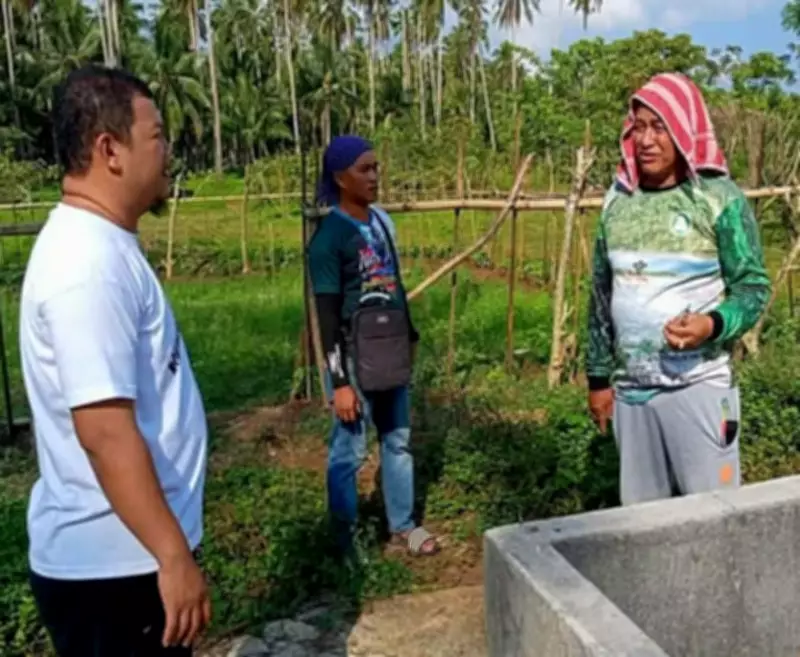
A team from NIA-Zamboanga Peninsula recently conducted an initial assessment in Mapun to evaluate the feasibility and potential impact of the proposed project. Engineer June Nathaniel Plaza, NIA regional manager, dispatched the team in response to a request for area validation. The team included Engineer Joel Janiola, Engineer Ket Anthony Lubguban, and Institutional Development Officer Jay Soriano.
During the assessment, the team performed site validation in Lubbak Parang village, a key agricultural area in Mapun known for cultivating crops such as eggplant, tomato, and cassava. This step is crucial for determining the project's viability and ensuring it meets the specific needs of the community.

Local Support and Current Challenges
Mapun Vice Mayor Rambie Sadjiril expressed strong support for agricultural development during the engagement, highlighting the town's increasing focus on farming alongside its traditional fishing industry. Sadjiril noted that many farmers in Mapun currently rely on deep wells and rain-fed irrigation, which significantly limits productivity and hampers agricultural growth.
Nurfa Ahmad, a farmer in Lubbak Parang, shared insights with the NIA team, emphasizing that the proposed solar irrigation system would greatly benefit their community. This is particularly relevant for those relying on water sources near Sapa Lake, where improved irrigation could transform farming practices.
Expected Benefits and Broader Impact
NIA-Zamboanga Peninsula stated that the project, once realized, is expected to enhance agricultural productivity by ensuring better water access for irrigation. This will ultimately support farming activities and contribute to Mapun's overall agricultural development, potentially boosting local economies and food security.
Mapun is an island municipality in the Sulu Sea, located at the south-western extreme of the Philippines, close to Sabah, Malaysia, and Palawan. Comprising 15 villages, it has a population of 30,038 as of the 2020 census. Historically known as Cagayan de Sulu until 1984 and then as Cagayan de Tawi-Tawi until 1988, Mapun's unique geographical position underscores the importance of sustainable agricultural initiatives like this solar-powered irrigation project.