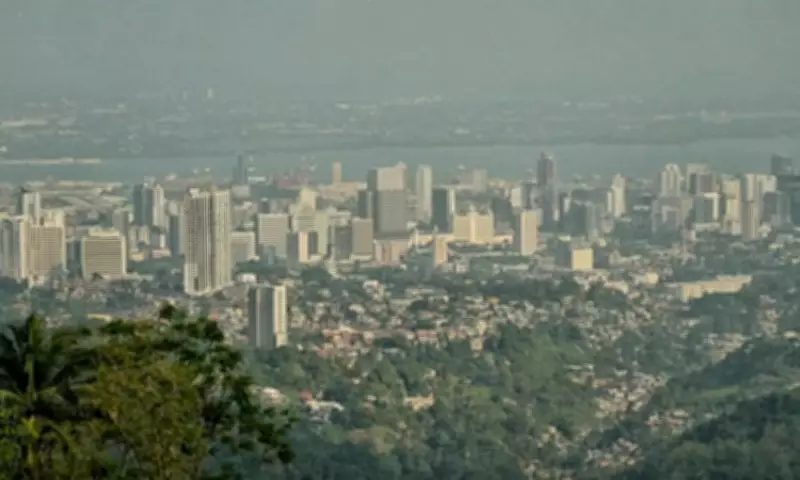
Metro Cebu Shrouded in Dense Haze as Air Quality Plummets to Dangerous Levels
A thick, persistent haze has blanketed Metro Cebu, severely reducing visibility and prompting urgent health warnings from provincial authorities. The Environmental Management Bureau (EMB) 7 attributes the deteriorating air quality to a combination of localized emissions and stagnant meteorological conditions, which have trapped pollutants in the atmosphere.
Provincial Hospitals on High Alert Amid Health Concerns
Governor Pamela Baricuatro has directed all provincial and district hospitals to remain on heightened alert in response to the hazardous haze affecting parts of Cebu. According to Ainjeliz "AJ" dela Torre-Orong, head of the Cebu Provincial Information Office, hospital administrators and medical staff have been instructed to prepare for potential increases in health issues related to poor air quality.
"We don't want to cause any panic, but it is best that we are prepared," Orong emphasized. The public is strongly advised to stay indoors whenever possible and to wear N95 masks if venturing outside becomes necessary.

As part of the provincial government's proactive measures, the Emergency Operations Center of the Provincial Disaster Risk Reduction and Management Office has been activated for 24/7 monitoring. Governor Baricuatro is awaiting further recommendations from the Office of Civil Defense and the Department of Health (DOH) before issuing a formal memorandum, which will be released promptly once those guidelines are available. Regular updates have also been requested from the Department of Environment and Natural Resources.
Root Causes: Local Emissions and Weather Patterns
EMB 7 Senior Environment Management Specialist Arthur Calupig explained that the haze is primarily caused by elevated levels of fine particulate matter from local sources, exacerbated by hot temperatures and weak winds. "When the temperature is high and the wind isn't very strong, the dispersion of pollutants is slow... they just stay in the air," he noted.
Unlike previous haze incidents in 2015 and 2019, which were linked to transboundary smoke, this episode has no confirmed external origin. The pollution stems from localized emissions, including:
- Fugitive dust from unpaved roads
- Material handling activities
- Vehicle exhaust emissions
- Industrial sources
Calupig clarified that monitoring data shows no external factors contributing to the current situation, confirming it as a result of internal emissions.
Air Quality Reaches 'Very Unhealthy' Thresholds
Monitoring stations have recorded alarming levels of particulate matter, particularly PM2.5, which are particles smaller than 2.5 micrometers in diameter. At the Talisay City station, PM2.5 concentrations reached 50.3 micrograms per cubic meter, corresponding to an Air Quality Index (AQI) of 177—classified as "very unhealthy."
"Our safety limit for PM2.5 concentrations is only 35 micrograms per cubic meter; imagine, we've really exceeded it since we recorded 50.3," Calupig stated. In contrast, the mountainous terrain of Toledo has helped maintain better air quality, with PM2.5 levels remaining within acceptable limits there.
The microscopic size of PM2.5 particles poses significant health risks, as they can penetrate deep into the respiratory system. "The smaller the particulate, the greater its tendency to penetrate our system. That is what can clog our respiratory system, and the result is difficulty breathing," Calupig warned. Vulnerable groups, including individuals with asthma, bronchitis, or other respiratory illnesses, are particularly at risk of triggered symptoms.
Coordinated Response and Future Outlook
As of early this week, no haze-related health cases have been reported. However, EMB 7 is coordinating with DOH 7 to issue a formal health advisory detailing the risks associated with exposure to high pollutant concentrations. "DOH is the most appropriate agency to determine health impacts... it is better if they are the ones to issue an official advisory," Calupig explained.

Authorities acknowledge that immediate solutions to reduce pollution are limited, with current efforts focused on precautionary measures and public advisories. Environmental officials highlight that weather changes, particularly rainfall, are critical for alleviating the situation. "Rain is a huge help because it's what can truly wash out particulates, especially the solid ones," Calupig said, emphasizing that rain remains the primary natural solution.
Despite the severe haze, Calupig clarified that this event is not linked to El Niño, noting that Cebu did not experience similar conditions during the 2023–2024 El Niño period. The ongoing monitoring and public health precautions underscore the systemic environmental vulnerabilities in the region, calling for sustained attention and action.