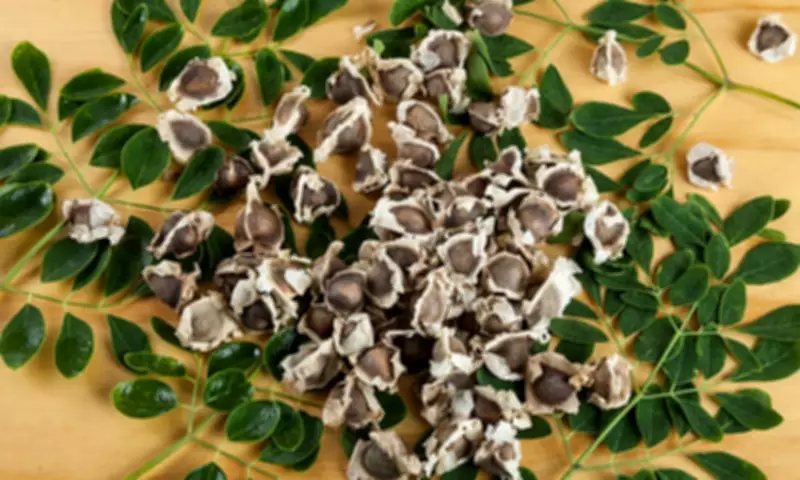
A recent study conducted by research groups in Brazil and the United Kingdom has revealed that extracts from the seeds of Moringa oleifera, often referred to as the “miracle tree,” could provide an affordable method for removing microplastic contamination from drinking water.
Study Findings
According to a report by CNN on April 29, 2026, the same month the findings were published, the extracts demonstrated the ability to remove up to 98 percent of microplastics from tap water under controlled laboratory conditions. Microplastics, as defined by the United Nations Environment Programme, are plastic fragments ranging from one nanometre to five millimetres in width. The UNEP website notes that one nanometre is a fraction of the width of a human hair, while five millimetres is roughly the width of a wedding band.
Research Background
Study author Adriano Gonçalves dos Reis and his team have been investigating the seeds of Moringa oleifera for over a decade, initially focusing on their use as a natural coagulant. Their latest research explores the seeds' potential for removing microplastics from water. The study specifically targeted PVC microplastics with an average size of 18.8 micrometers, achieving a removal rate of 98.5 percent when seed extracts were incorporated into filtration systems.

Future Implications
Despite the promising results, experts caution that further testing is necessary before this method can be applied to large-scale water treatment systems. The researchers plan to investigate the effectiveness of Moringa seed extracts against nanoplastics, which are far smaller particles that can evade conventional filtration systems and are more likely to enter the human body. Addressing these nanoscale contaminants is a critical next step in developing safer and more comprehensive water purification methods.