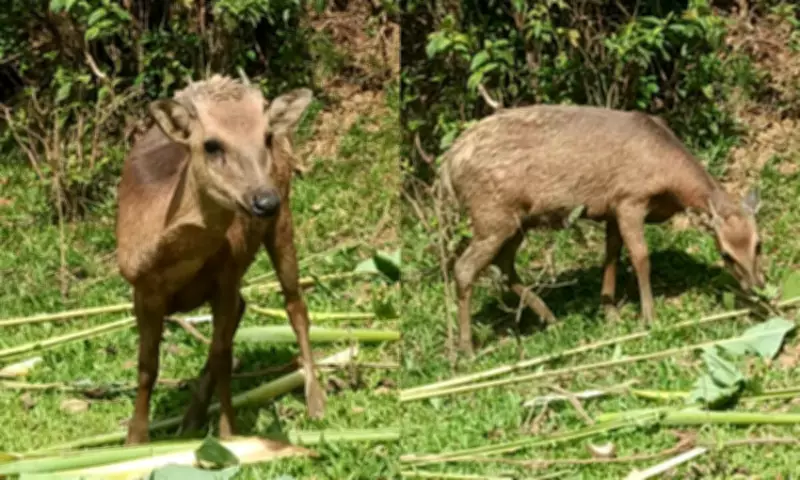
Philippine Deer, Once Thought Extinct, Reappears in Marinduque After Conservation Push
In a remarkable conservation breakthrough, the Philippine deer, a species long feared locally extinct after decades without confirmed sightings, has been documented anew across multiple towns in Marinduque. This significant milestone highlights the power of dedicated environmental efforts and community collaboration in reviving fragile ecosystems.
Sustained Efforts Yield Positive Results
The Department of Environment and Natural Resources (DENR) Mimaropa–Penro Marinduque has officially reported that the deer's reappearance is a direct outcome of sustained conservation initiatives carried out in close partnership with local communities. According to the Marinduque Wildlife Sanctuary Protected Area Management Office, the continued presence of the species has been verified through a combination of Biodiversity Monitoring System activities, strategic camera trap installations in Barangay Malibago in Torrijos and Barangay Makulapnit in Sta. Cruz, and intensified Communication, Education, and Public Awareness campaigns.
Documented Sightings and Habitat Identification
Data meticulously collected throughout 2025 recorded multiple sightings within the sanctuary, with Barangay Makulapnit emerging as a key habitat after at least 10 individual deer were documented there. Additional encouraging indicators, including footprints discovered in Boac and nearby areas, strongly suggest a wider distribution of the species across the Marinduque landscape, pointing to a potential recovery beyond initial expectations.

Ongoing Threats and Immediate Responses
Despite this positive development, authorities have cautioned that ongoing threats to the deer population remain a serious concern. Cases of mortality linked to illegal hunting, poaching, and attacks by wild dogs have been recorded in several barangays. A notable incident occurred on December 28, 2025, when a female deer in the Balagbag Range survived a wild dog attack, prompting immediate intervention from sanctuary officials and enforcement units to secure the area and provide necessary care.
Strengthening Protection and Future Studies
In response to these challenges, the Protected Area Management Board is actively strengthening coordination with the Provincial Veterinary Office to develop more robust strategies for addressing wildlife threats. Simultaneously, the sanctuary office continues to expand its awareness campaigns to ensure strict compliance with Republic Act No. 9147, the Wildlife Resources Conservation and Protection Act. Meanwhile, a proposed study by the University of the Philippines Los Baños aims to comprehensively assess the population status of the species and provide critical scientific data to guide long-term conservation strategies and policy adjustments.
A Testament to Collaborative Conservation
The DENR emphasized that these renewed sightings powerfully underscore the effectiveness of collaboration among government agencies, local government units, and grassroots communities. However, they also stress the urgent need for sustained, vigilant efforts to secure the species' long-term survival and prevent any regression. This rediscovery serves as both a celebration of past achievements and a clarion call for continued dedication to preserving the Philippines' unique biodiversity for future generations.