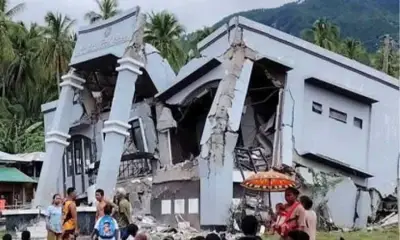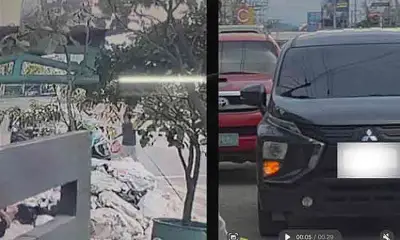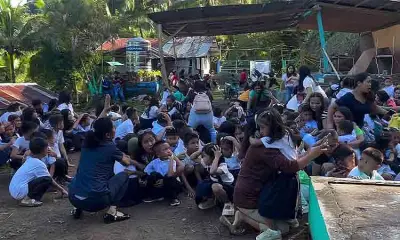
On Jan. 8, 2026, a mountain of garbage in Barangay Binaliw, Cebu City, collapsed, burying homes and claiming 36 lives. The disaster was framed as a failure of waste management, but that explanation is incomplete. What happened in Binaliw is not just about where we put our trash. It is about a system that produces far more waste than it can safely handle—and one that is quietly fueling the climate crisis.
The Plastic-Climate Connection
Cebu City generates tons of waste daily, much of it single-use plastics: sachets, multilayer packaging, and disposable containers. These materials are designed for convenience but built for disposal. They cannot be effectively recycled, yet they continue to flood the market. This reflects an economic model that prioritizes cheap production and rapid consumption over sustainability. Plastics are made from fossil fuels—oil and natural gas. Across their lifecycle, they generate greenhouse gas emissions. When burned, whether in open dumps or waste-to-energy (WTE) facilities, they release carbon dioxide and other climate-warming gases. Plastic pollution is not just a waste issue; it is a climate issue.
Organic Waste and Methane
Another major source of emissions is often overlooked: organic waste. When food scraps and biodegradable materials are buried in landfills, they decompose without oxygen and produce methane—a greenhouse gas far more potent than carbon dioxide in the short term. Landfills are active sources of climate pollution. Proper waste segregation is critical; organic waste must be separated and composted. Without this, cities turn their dumps into methane factories.

Recent Developments in Cebu
On May 6, 2026, Mayor Nestor Archival signed Executive Order 073 declaring a State of Solid Waste Management Emergency. Rather than treating waste as a disposal problem, the order legally mandated household segregation and reactivated grassroots materials recovery facilities in pilot barangays. This underscores that meaningful waste solutions begin at source, not at the smokestack. Yet political momentum after Binaliw has focused on high-tech disposal. On May 1, 2026, the Department of Environment and Natural Resources-Environmental Management Bureau 7 partially lifted its closure order against Prime Integrated Waste Solutions Inc., allowing limited test operations at the Binaliw landfill. The decision surprised the Cebu City Council and triggered strong opposition from nearby communities, raising questions about transparency and accountability.
Waste-to-Energy: A False Solution
In response to the disaster, officials have promoted WTE incineration, citing examples from Japan and China. But burning waste does not make it disappear; it converts it into toxic emissions and hazardous ash. Incinerators release pollutants such as dioxins and fine particulate matter, linked to serious health risks. WTE also contributes to climate change by releasing carbon dioxide from burning plastics. Because these facilities require a constant waste stream, they create incentives to keep producing waste, locking cities into the problem.
Davao: An Echo of Disaster
On May 20, 2026, a near-identical disaster struck the New Carmen Sanitary Landfill in Davao City. Continuous heavy rains caused a massive garbage mound to collapse, burying homes, killing at least one person, and leaving others missing. Regulators had flagged concerns about landfill conditions, highlighting a national pattern: warning signs exist long before tragedy, but intervention arrives only after lives are lost. The political response has been similar: instead of a national reckoning on product design and plastic reduction, both crises have been used to accelerate incineration infrastructure.

Alternatives Exist
The tragedy is not due to a lack of solutions. The Philippines has Republic Act 9003, mandating waste reduction, segregation, and recycling. But upstream measures have not been fully implemented; the system relies on downstream fixes like landfills and incineration. Community-based initiatives show effective waste management: groups like Pagtambayayong promote segregation, composting, and localized systems that prevent organic waste from reaching landfills. These efforts reduce waste, cut methane emissions, and build community accountability, highlighting environmental justice. Binaliw residents have borne the burden of Cebu’s waste—living beside it, breathing its fumes, and facing its risks. The disaster should not justify another round of large-scale, high-risk projects that shift the burden. It should be a turning point toward upstream solutions: reducing plastic production, enforcing source segregation, composting, investing in reuse and refill systems, and strengthening community-based recovery programs.