Businessman Proposes Rehabilitation of Arayat National Park to Boost Local Tourism
Businessman Rodolfo Pineda is reportedly spearheading a proposal to rehabilitate Arayat National Park in Barangay San Juan Baño, which has been closed to the public since 2024. The ambitious plan includes not only restoring the park but also reopening it to local tourism, a move that could revitalize the area's economy and environmental appeal.
Project Details and DENR Approval Required
The project, however, cannot proceed without the green light from the Department of Environment and Natural Resources (DENR), as Mount Arayat is classified as a protected area. Pineda has already taken proactive steps by submitting detailed plans and a letter of intent to the DENR, outlining the proposed rehabilitation and development strategies for the park.
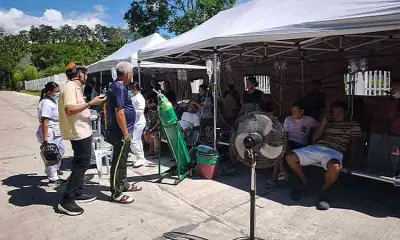
Recently, Pineda visited the park to assess its current condition, accompanied by DENR and municipal officials. This on-site evaluation is crucial for understanding the scope of work needed to bring the facility back to life.

Historical and Ecological Significance
Mount Arayat was declared a national park in June 1993, covering approximately 3,700 hectares. Within this vast area, 10 hectares in San Juan Baño were designated as a resort, highlighting its potential for tourism. The park is ecologically rich, home to 49 species of trees and plants, 86 species of birds, 14 species of mammals, and 11 species of reptiles.
In 2017, a team of researchers from Angeles University Foundation and the University of Sto. Tomas in Manila discovered a new plant species, Pyrostria arayatensis, within the park, underscoring its importance for biodiversity and scientific study.
Expected Benefits and Community Impact
The reopening of Arayat National Park is anticipated to provide significant employment opportunities for local residents, helping to stimulate the regional economy. Additionally, it aims to restore the site as a premier tourism destination, attracting visitors and promoting environmental awareness.
This initiative represents a collaborative effort between private enterprise and government agencies, with the potential to enhance both conservation and community welfare in the region.