In a decisive move for environmental protection and public safety, Cebu City Councilor Joel “Ang Panday” Garganera has called for a temporary suspension of development projects in the city's mountain barangays. This proposal has gained the full support of Cebu City Mayor Nestor Archival, who is widely recognized for his environmental advocacy.
Immediate Halt and Permit Review
The moratorium involves an immediate stop to the issuance of new permits for projects in these upland areas. A technical team will now conduct a thorough review of ongoing and planned developments. Their mandate is to assess strict adherence to national environmental laws and evaluate potential safety risks. As of now, there is no specified end date for this suspension. A critical question remains regarding the status of permits already issued before this order.
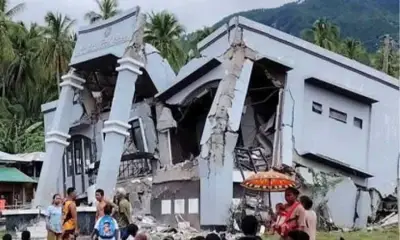
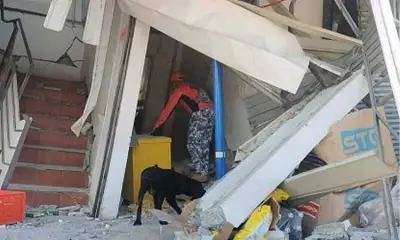
This urgent action is underscored by the catastrophic flooding triggered by the heavy rains of Typhoon Tino on November 4, 2025. The disaster claimed over a hundred lives across Cebu province, with at least 12 fatalities occurring within Cebu City itself. Officials emphasize that compliance with environmental regulations and flood mitigation conditions is non-negotiable to prevent future tragedies.

A Legacy of Deforestation and Failed Reforestation
The move highlights a long-standing, severe environmental issue: the near-total deforestation of Cebu's mountains, including those within the city. Estimates indicate that only two to four percent of the province's original forest cover remains. While reforestation projects have been funded, their success is deeply questionable.
The article recalls a poignant statement by the late Cebu Governor Pablo Garcia, who once told visiting environmental journalists that billions of pesos had been spent by the Department of Environment and Natural Resources (DENR) to reforest Cebu's mountains. He lamented that no trees were visible because, as he critically noted, "the species planted were invisible." This historical context frames the current skepticism towards upland development.
Seeking a Sustainable Model for Development
Councilor Garganera argues that if Environmental Compliance Certificates (ECCs) are crucial for projects in flatlands, they are even more critically needed in mountainous barangays. These areas are prone to landslides, especially in locations with active quarrying operations.
The councilor points to existing upland subdivisions, like the Maria Luisa Subdivision, which have not been reported as causes of major flooding or landslides. He suggests that such projects could potentially serve as a model for responsible and sustainable upland development, balancing progress with essential environmental safeguards.
The city's leadership now faces the complex task of enforcing this moratorium, conducting rigorous reviews, and defining a clear, lawful path forward that protects both Cebu's vulnerable ecosystems and its residents from future climate-driven disasters.