Davao's Waste-to-Energy Project Moves Forward Amid Environmental Debate
Davao City Councilor Louie John Bonguyan has expressed optimism that the public scoping process for the proposed Waste-to-Energy (WTE) project will proceed without significant obstacles, potentially paving the way for its eventual implementation. As chair of the Committee on Energy and Water, Bonguyan emphasized that this public scoping represents a crucial step mandated by the Department of Environment and Natural Resources (DENR) to evaluate the project's environmental impact and assess Davao City's suitability as a host site.
Understanding Biodegradable Waste and Landfill Challenges
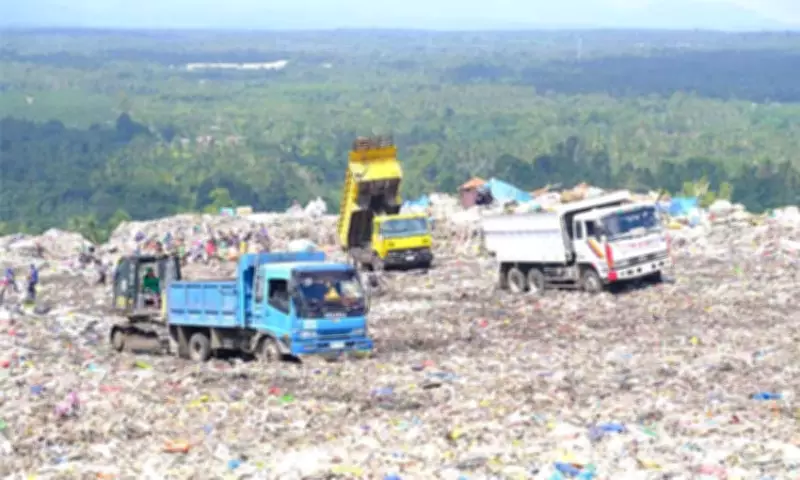
While biodegradable waste naturally decomposes over time, this process involves multiple stages and can take considerable duration before becoming truly useful. Environmental experts consistently warn that adding biodegradable materials, particularly compostable items like food scraps, to landfills contributes significantly to the growing waste volume. Numerous scientific studies have established clear links between biodegradable landfill waste and increased greenhouse gas emissions released into the atmosphere.
Public Scoping Process and Stakeholder Involvement
The DENR Environmental Management Bureau (EMB)-Davao has confirmed that the upcoming public scoping will be accessible to all interested stakeholders, including:

- Local government units and municipal officials
- Non-government organizations and advocacy groups
- People's organizations and community representatives
- Vulnerable sectors and marginalized communities
- Local educational and research institutions
In an official statement released on April 4, EMB-Davao clarified that public scoping serves as a preliminary phase within the broader Environmental Impact Assessment (EIA) process. This platform allows stakeholders and community members to voice concerns, raise questions, and discuss potential issues related to the proposed development. The bureau specifically noted that this activity does not determine final project approval or rejection, but rather informs the subsequent assessment stages.
Project Opposition and Circular Economy Concerns
Despite the city government's strong advocacy for the WTE initiative, which aims to convert solid waste into electricity while addressing landfill constraints and providing long-term solutions to escalating waste generation, significant opposition has emerged. The environmental organization Interfacing Development Interventions for Sustainability (Idis) has publicly opposed the project, citing substantial concerns regarding its compatibility with circular economy principles.
Idis representatives argue that the proposed WTE facility could potentially undermine ongoing efforts to promote waste reduction, reuse, recycling, and resource efficiency—particularly within the framework of the European Union-Philippines partnership on sustainable development. This opposition highlights the tension between technological waste management solutions and broader environmental sustainability goals.
Implementation Challenges and Next Steps
Councilor Bonguyan confirmed that both his office and that of Councilor Temujin "Tek" Ocampo, who chairs the Committee on Environment, have not yet received formal invitations for the public scoping activities. Nevertheless, Bonguyan reiterated the city administration's continued commitment to advancing this technology as part of Davao's comprehensive waste management strategy.
The proposed Waste-to-Energy project represents a significant infrastructure investment that could potentially transform how Davao City manages its solid waste while generating renewable energy. However, the ongoing debate between technological innovation and environmental preservation ensures that this development will remain under intense public and regulatory scrutiny throughout the approval process.