Cebu City Officials Demand Accountability Before Landfill Reopening Following Deadly Collapse
Nearly two months after a tragic waste collapse in Barangay Binaliw claimed 36 lives, the push to reopen or expand the landfill is meeting significant resistance. City officials are now demanding clear accountability and a thorough investigation before any more trash is moved into the area, highlighting a critical standoff over environmental safety and justice.
Tragedy Remains Unresolved as Questions Linger
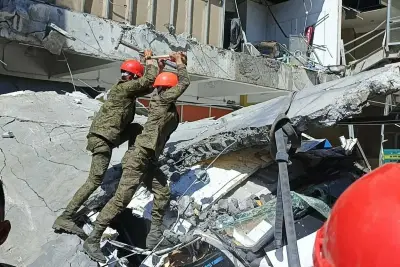
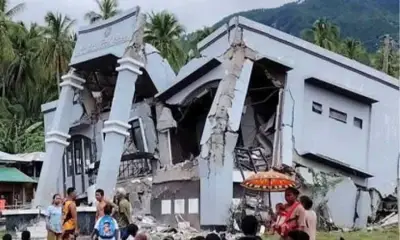
On January 8, 2026, a massive trash slide at the Prime Integrated Waste Solutions (PWS) landfill buried nearby areas, resulting in the deaths of 36 individuals—mothers, fathers, sons, and daughters. While the victims have been laid to rest, the circumstances surrounding their deaths remain shrouded in uncertainty. The Department of Environment and Natural Resources (DENR) closed the facility immediately after the disaster, but the community continues to await a final report that explains the structural failure and whether the landfill was operating illegally as an open dumpsite.
Councilor Garganera Declares Site a "Legal Crime Scene"
In a powerful speech delivered on Tuesday, March 3, 2026, Councilor Joel Garganera argued that the city should not even be discussing the reuse of the site at this time. The Cebu City Government is currently seeking approval to utilize three hectares of the 17-hectare landfill, a move Garganera vehemently opposes. "Thirty-six lives were lost," Garganera told the City Council. "As of today, where is the justice for them? Where is the accountability?"

Garganera pointed out a deeply troubling fact: discussions about expanding the landfill began merely 24 hours after the disaster, while rescuers were still recovering bodies. He maintained that until the investigation is conclusively finished, the site must be treated as a "moral and legal crime scene," emphasizing the need for respect and due process for the victims and their families.
Search for a Sustainable Waste Solution Intensifies
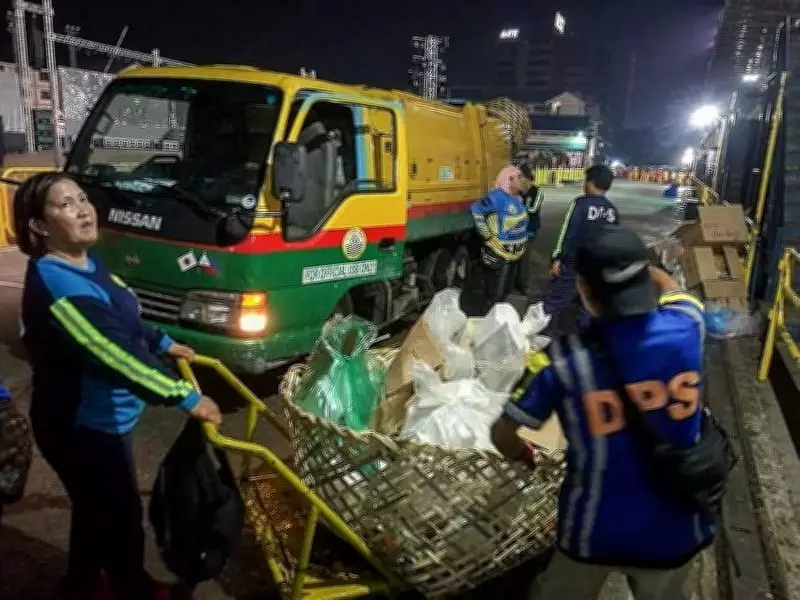
With the Binaliw site closed, Cebu City is grappling with an urgent need to find alternative locations for its garbage. Officials are exploring temporary spots, including areas at the South Road Properties (SRP), but Garganera has issued a stern warning. He insists that any new site must strictly adhere to the law, particularly the Ecological Solid Waste Management Act of 2000 (Republic Act 9003), which prohibits open dumps. Garganera emphasized that any proposed solution—whether it involves advanced technology or waste-to-energy systems—must meet proper sanitary standards to prevent future tragedies.
Restitution and Rebuilding Trust in the Community
Garganera has suggested that if the city eventually returns to Binaliw, the additional three-hectare area should be provided to the city for free as a form of restitution for the tragedy, rather than becoming another financial burden on taxpayers. The pending DENR-Environmental Management Bureau (EMB) report is expected to be a pivotal turning point, as it will determine whether the landfill operator violated environmental regulations, potentially leading to criminal charges. There are also growing calls for the National Bureau of Investigation (NBI) to become involved in the probe to ensure a comprehensive and impartial investigation.
Why This Issue Matters Beyond Cebu City
This situation transcends a mere debate over waste disposal; it is fundamentally about ensuring that a disaster of this magnitude never recurs. Similar tragedies, such as the Payatas slide in 2000 and a recent slide in Rizal province on February 20, 2026, underscore that landfill safety is a pervasive national problem. For Cebu City, the path forward requires a delicate balance between the immediate necessity for effective waste management and the fundamental right to justice for the grieving families left behind, setting a precedent for environmental accountability across the Philippines.