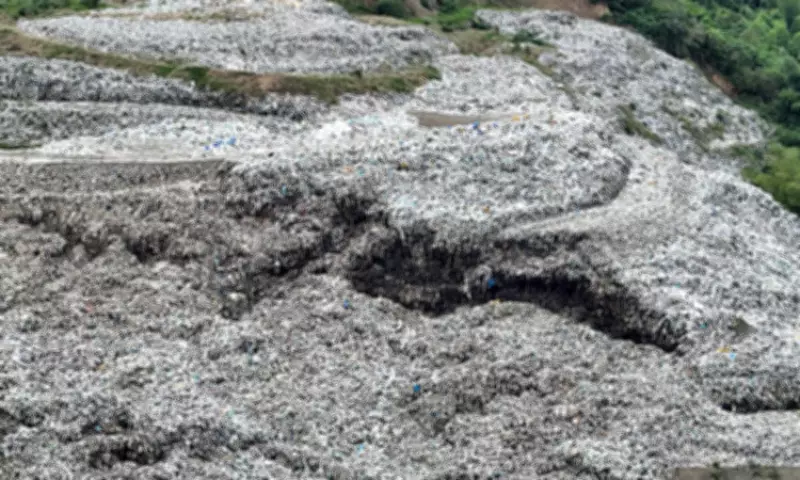
Binaliw Landfill Rehabilitation Projected to Span Six Months to a Year in Cebu City
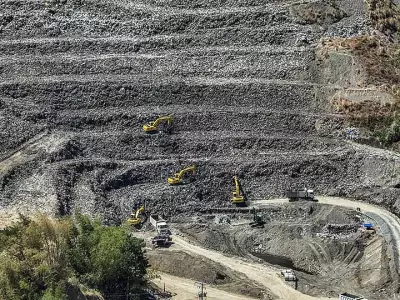
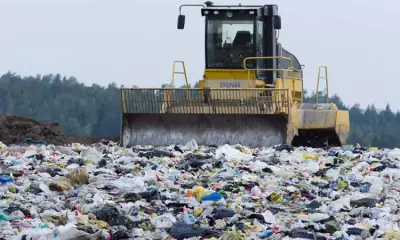
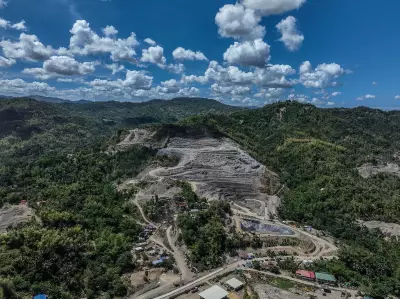
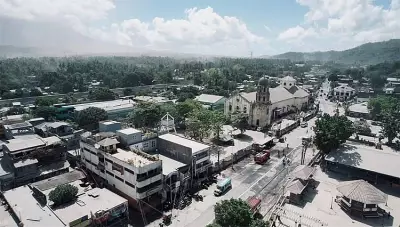
The rehabilitation of the Binaliw landfill in Cebu City is expected to take between six months and one year to complete, according to an official from Prime Waste Solutions (PWS) Cebu. This announcement comes as the city continues to grapple with escalating waste disposal expenses and limited landfill access, highlighting ongoing environmental and logistical challenges.
Official Statements and Plans for Interim Solutions
Niño Abellana Jr., General Manager of PWS Cebu, disclosed this timeline during an executive session with the Cebu City Council on Monday, February 23. He confirmed that the company has formally submitted a request to the Department of Environment and Natural Resources (DENR) to amend its Environmental Compliance Certificate (ECC) and secure permits for the landfill's rehabilitation and expansion.
While the affected area undergoes repairs, Abellana outlined a plan to open interim cells as a temporary measure to accommodate the city's waste. These interim cells, although not designed for full capacity, are capable of receiving sufficient waste to last approximately two months. Prior to the waste slide incident on January 8, the Binaliw facility was processing up to 1,000 metric tons of waste daily. If approved by the DENR and city government, the interim cells could commence operations as early as March.

Compliance and Ongoing Assessments
Abellana emphasized that PWS has already complied with requirements set by the Environmental Management Bureau (EMB) under the DENR. This includes submitting a narrative incident report, a rehabilitation and mitigation plan, and evaluations of leachate pipes and other equipment. However, the company has not yet completed a comprehensive and scientific assessment to determine the exact cause of the waste slide.
This ongoing study will examine factors such as slope stability, drainage systems, and risks from natural disasters like earthquakes and heavy rainfall, including impacts from Typhoon Tino. The target completion date for this assessment is April 14, 2026, which will inform future safety measures and rehabilitation efforts.
Mayor's Updates on Waste Management and Cost Concerns
Mayor Nestor Archival provided additional context, noting that the city has ceased waste disposal in Consolacion and has instead reached an agreement with the municipality of Aloguinsan. He acknowledged that current waste disposal costs have doubled, prompting a renewed call for proper waste segregation to achieve savings.
The city aims to reduce daily waste disposal by 100 metric tons through these segregation efforts. Mayor Archival also explained his decision not to sign a Memorandum of Agreement (MOA) with the Asian Energy landfill in Consolacion, citing that the facility is already receiving waste from Liloan, Mandaue, and Lapu-Lapu and is nearing full capacity.
This situation underscores the urgent need for sustainable waste management strategies in Cebu City, as authorities work to balance environmental rehabilitation with immediate operational needs.