Cebu City Clears Temporary Garbage Site Amid Mounting Waste Crisis
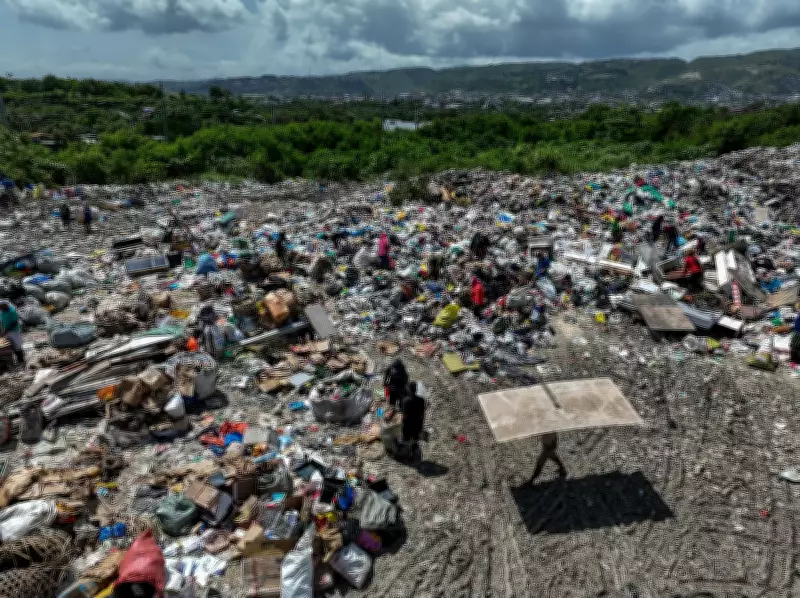
A photo taken on Tuesday, March 10, 2026, shows the temporary garbage holding area near Pond A at the South Road Properties in Cebu City, with a sign reading "NO MORE GARBAGE." Cebu City Mayor Nestor Archival confirmed that the area was successfully cleared to meet the city's self-imposed deadline of Sunday, March 15, 2026. This cleanup effort was initiated after the Department of Environment and Natural Resources flagged the local government for storing refuse near a wildlife habitat.
Logistical Nightmare and Financial Strain
Following a deadly landfill collapse, Cebu City is grappling with severe logistical hurdles and a billion-peso price tag as it scrambles to replace long-distance waste hauling with permanent infrastructure. The crisis began on January 8, 2026, when a trash slide at the Binaliw Sanitary Landfill killed 36 people, forcing its immediate shutdown. The situation worsened when a secondary facility in Consolacion abruptly stopped accepting Cebu City's garbage.
Consequently, the city must now transport its waste 60 kilometers away to a landfill in Aloguinsan. This extended route dramatically increases spending and introduces daily logistical challenges for waste management operations. Officials are preparing a supplemental budget for rising disposal costs, which could reach P1 billion, highlighting the financial toll of the emergency.

Regulatory Compliance and Environmental Goals
The crackdown on the temporary holding area aims not only for regulatory compliance but also to restore the coastal property as a prime seaside hub for dining and tourism. The daily struggle to process refuse underscores the difficulty of complying with Republic Act 9003, the Ecological Solid Waste Management Act of 2000, which requires local governments to establish sustainable systems for waste reduction and proper disposal.
While the city government mandates the removal of the accumulated stockpile at the South Road Properties, a small, controlled transfer area may remain temporarily to stage waste before its long journey to Aloguinsan. Simultaneously, the city is studying potential alternative sites closer to home, such as an area in Barangay Inayawan, but must first navigate strict environmental permitting processes.
Diversion Efforts and Future Solutions
To mitigate the volume of garbage sent on the costly trip west, Cebu City is expanding local diversion tactics. Mayor Archival recently inspected a materials recovery and shredding facility at the Carbon Public Market, where workers redirect 12 tons of waste daily into local composting efforts. While this initiative promotes environmental sustainability, it addresses only a fraction of the city's total output.
Looking ahead, City Councilor Winston Pepito proposes a modern, high-capacity waste processing system to bypass the limitations of distant landfills and soaring haulage budgets. After a benchmarking inspection of a government-owned materials recovery facility in Malolos City, Bulacan, Pepito advocates for a local incineration plant utilizing pyrolysis machinery. A facility scaled for Cebu City would require three times the capacity of the Bulacan model to handle 200 tons of garbage daily, with an estimated price tag of P400 million. The City Council must now study the feasibility of this investment, weighing upfront costs against the promise of reducing the city's looming billion-peso disposal expenses.