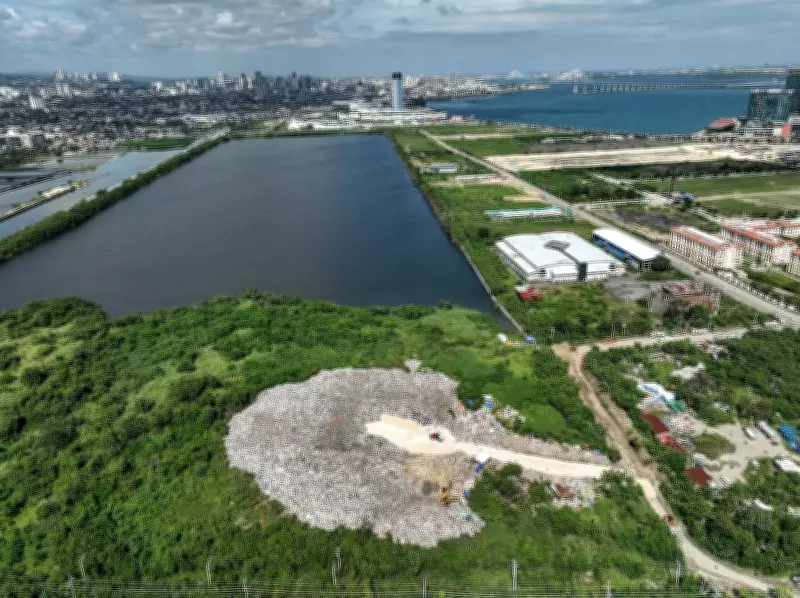
Cebu City's Garbage Crisis Escalates with Temporary Dump at South Road Properties
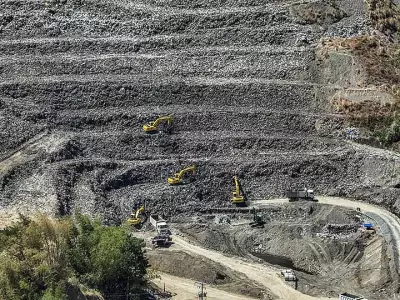
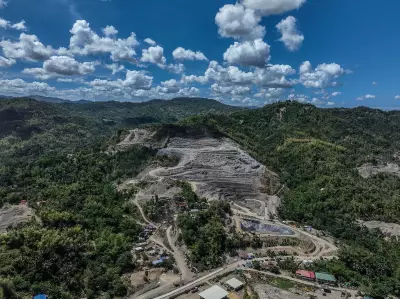
In the wake of a catastrophic landfill disaster earlier this year, Cebu City has resorted to using the South Road Properties (SRP) as a temporary garbage dump or transfer station. This move comes after a tragic trash slide at the Binaliw landfill on January 8, 2026, which claimed 36 lives and left numerous others injured. The Department of Environment and Natural Resources (DENR) 7 subsequently ordered the indefinite closure of the 17-hectare landfill operated by Prime Integrated Waste Solutions Inc. (PWS) Cebu.
Environmental Expert Sounds Alarm on Ecological Dangers
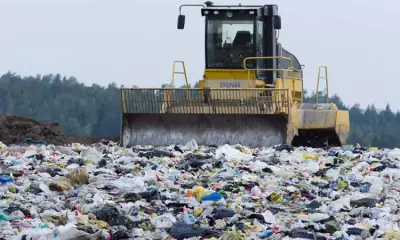
Dr. Ian Dominic Tabañag, a chemical engineering specialist and assistant professor at the University of San Carlos, has issued a stark warning about the city's decision to dump mixed trash near coastal waters and residential areas. He describes this approach as "ecologically unwise" and hazardous, emphasizing that it poses significant threats to both public health and marine ecosystems. Approximately half of the city's daily waste is biodegradable, and when left unseparated, it decomposes to produce methane gas, foul odors, and toxic leachate that can seep into Tagunol Creek and the sea, potentially causing algal blooms and marine life fatalities.
Costly and Risky Temporary Measures
With limited options, Cebu City is now transporting its daily haul of 600 to 700 tons of garbage from the SRP holding area near Pond A to Aloguinsan, a town located about 60 kilometers away. This temporary solution is not only logistically challenging but also financially burdensome, costing the city P3,906 per ton for private haulers. The risks extend beyond economics, as nearby residents face health threats from emitted gases that can cause respiratory issues and attract disease-carrying pests like flies. Tabañag cautions that prolonged use of the SRP site could lead to legal actions from affected communities.

Political and Community Responses
Councilor Joel Garganera, chairman of the environment committee, has echoed Tabañag's concerns, drawing parallels to the infamous Inayawan dumpsite that was shut down for violating environmental laws. In a statement mixing Cebuano and English, Garganera stressed the urgency of the garbage crisis, urging Mayor Nestor Archival to prioritize a long-term and sustainable solution. "We need a long-term and sustainable plan and solution now, and we need it quick. Otherwise, this will really have an impact on our health and environment," he emphasized.
Search for Sustainable Solutions and Mounting Pressures
As city leaders explore permanent fixes, waste-to-energy technology has been proposed, but Tabañag advises that this requires strict waste separation and advanced pollution controls to prevent hazardous emissions. Meanwhile, the Cebu City Council has passed a resolution requesting DENR 7 to reopen a three-hectare section of the Binaliw landfill to alleviate the financial strain of hauling waste to Aloguinsan. Until a decision is made, the city remains in a precarious position, balancing soaring costs against escalating environmental and health threats at the SRP. Tabañag strongly recommends that the use of the SRP as a dump should not exceed one year, highlighting the critical need for immediate action to address this mounting crisis.