In the wake of a catastrophic landfill collapse that claimed 36 lives earlier this year, Cebu City is now grappling with an escalating waste management disaster. With local disposal sites shuttered, the city is compelled to transport its trash a staggering 60 kilometers away, pushing officials into a frantic search for a lasting fix before garbage expenses balloon to an alarming P1 billion.
Racing Against Time
Mayor Nestor Archival has directed the Department of Public Services to expedite the clearance of a temporary garbage holding zone at the South Road Properties (SRP). The city imposed a stringent deadline of March 15, 2026, to eliminate waste accumulation near Pond A. This urgent cleanup initiative was triggered by a warning from the Department of Environment and Natural Resources, which cautioned the local government against storing refuse adjacent to a wildlife habitat. Beyond mere regulatory compliance, authorities aim to rejuvenate the SRP as a premier coastal destination for dining and tourism.
The Root of the Emergency
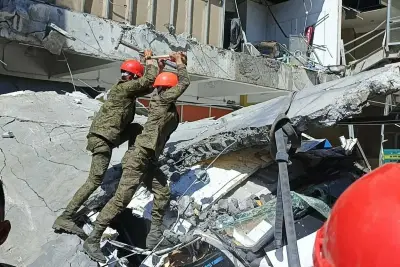
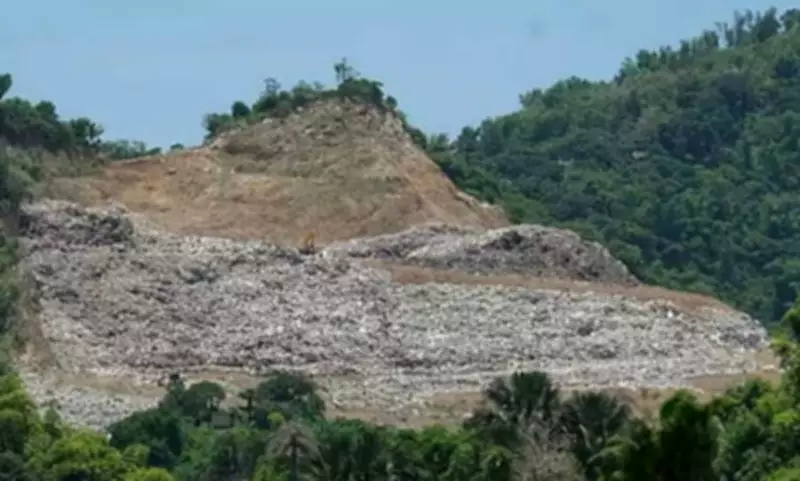
The current crisis originated on January 8, when a devastating trash slide at the Binaliw Sanitary Landfill resulted in the tragic loss of 36 individuals. This disaster prompted the immediate closure of the facility. Compounding the predicament, a secondary waste site in the northern municipality of Consolacion abruptly ceased accepting Cebu City's garbage, exacerbating the logistical nightmare.

A Costly Journey
Due to these shutdowns, Cebu City must now haul its waste to a landfill in Aloguinsan, a 60-kilometer trek that presents severe daily logistical challenges and a dramatic surge in municipal expenditures. Officials are currently drafting a supplemental budget specifically to address the skyrocketing disposal costs, which are projected to potentially reach P1 billion.
Seeking Local Solutions
The daily struggle underscores the complexities of adhering to the Ecological Solid Waste Management Act of 2000, a national statute mandating sustainable waste disposal practices. While a compact transfer station may temporarily remain at the SRP to stage waste, officials are evaluating nearer alternative locations, including a site in Barangay Inayawan. To alleviate the burden, Mayor Archival recently inspected a facility at the Carbon Public Market, where workers divert 12 tons of waste daily into local composting initiatives. Although this represents a positive step, it manages only a small portion of the city's total trash output.
A High-Tech Proposal
For a long-term resolution, City Councilor Winston Pepito is advocating for a modern, high-capacity waste processing system. After visiting a government facility in Malolos City, Bulacan, he proposes constructing a local incineration plant utilizing pyrolysis technology. A plant tailored for Cebu City would need to be three times larger than the Bulacan model to process 200 tons of garbage each day. The pivotal concern is the estimated P400 million investment required for the new facility.
City leaders must now assess whether allocating P400 million upfront to build this advanced plant is the optimal strategy to permanently mitigate the looming billion-peso disposal expenses.