Barili Community Begins Cleanup After Destructive Flash Flood
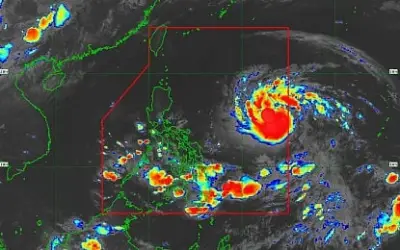
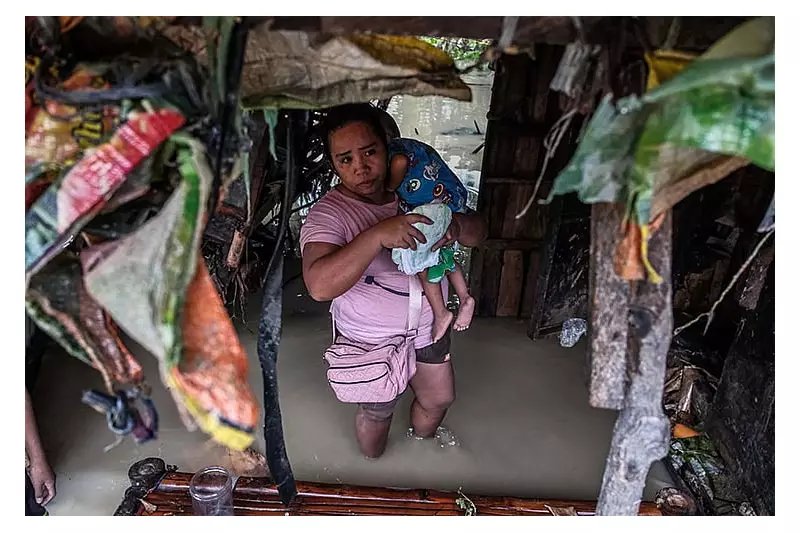
Residents of Barangay San Rafael in Barili, Cebu, are confronting a difficult recovery after a sudden flash flood inundated their community on November 25, 2025. The disaster struck when the Sta. Ana River overflowed its banks, propelled by the intense rainfall from Tropical Depression Verbana. Homes were filled with water and debris, forcing locals to salvage what they could and start the arduous task of clearing the mud and wreckage left behind.
Health Facility Sounds Alarm on Disease Risks
In response to the dangerous conditions, the Barili Primary Care Facility (BPCF) issued a critical health advisory on Tuesday, November 25. The facility urgently warned the public about the significantly increased threat of waterborne illnesses in the aftermath of the flooding. Diseases such as diarrhea, cholera, typhoid fever, and amoebiasis can spread rapidly when clean water and sanitation are compromised.
The BPCF provided clear and essential guidance for households to protect themselves. The primary recommendation is to ensure all drinking water is safe. Residents were instructed to boil water for at least one minute at a rolling boil. Any water previously collected from flooded areas should be discarded immediately, and only clean containers should be used for storage.

For situations where boiling is not possible, the facility advised using a chlorine stock solution or water purification tablets. The advisory detailed the proper method for creating and using the solution:
- Mix one teaspoon of chlorine powder with one liter of water to create a stock solution, which remains effective for only seven days.
- Add two teaspoons of this stock solution to five gallons (20 liters) of water.
- Stir the mixture well, leave it uncovered for a short time to let the odor fade, and let it rest for 30 minutes before use.
Comprehensive Safety Measures for a Healthy Recovery
The health advisory extended beyond water safety to cover overall hygiene and environmental cleanliness. Residents were told to avoid any water that has a foul smell, appears murky, or shows visible signs of contamination. Wells, tanks, and pumps that were touched by floodwater must be thoroughly cleaned and disinfected before being put back into service.
Cleaning up the surroundings is also vital, as it helps control populations of mosquitoes and flies that can transmit other diseases. The BPCF further emphasized food safety, urging people to cook all food thoroughly and to throw away any items that are spoiled or discolored. Utensils exposed to floodwater should be washed with soap and hot water.
Frequent handwashing is a key defense. The facility reminded everyone to wash their hands before eating, after using the toilet, and after cleaning up. If clean water is not available, a 70 percent alcohol-based sanitizer is an effective alternative.
The public must remain vigilant for symptoms of waterborne diseases. Warning signs include vomiting, diarrhea, fever, stomach pain, excessive thirst, dehydration, and loss of appetite. Anyone experiencing these symptoms should immediately visit their barangay health center or rural health unit. For cases of diarrhea, administering an oral rehydration solution (ORS) is crucial.
The BPCF reiterated that prevention starts with simple, consistent actions. As their advisory stated in Cebuano: “Ang paglikay sa waterborne diseases magsugod sa simple nga mga lakang: limpyo nga tubig, limpyo nga pagkaon, limpyo nga palibot.” (Preventing waterborne diseases starts with simple steps: clean water, clean food, clean surroundings.)