Binaliw Incident: Rescue Response and What Comes Next
The recent incident in Binaliw has drawn significant attention, prompting a swift and coordinated rescue response from local authorities. This event has highlighted the critical importance of emergency preparedness and community resilience in the face of unforeseen challenges.
Rescue Operations and Immediate Response
Following the incident, rescue teams were quickly mobilized to the scene, demonstrating a well-organized effort to ensure the safety of all affected individuals. The response involved multiple agencies working in tandem to provide medical assistance, secure the area, and assess the situation comprehensively. Emergency personnel were praised for their prompt actions, which helped mitigate potential risks and provided immediate relief to those in need.
Local officials have emphasized the role of community cooperation in facilitating the rescue efforts, with residents offering support and resources to aid the response teams. This collaborative approach has been instrumental in managing the incident effectively and minimizing its impact on the community.

Aftermath and Current Situation
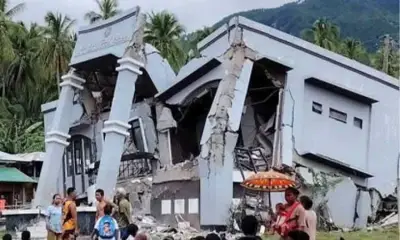
In the aftermath of the incident, authorities have been conducting thorough investigations to determine the causes and assess the extent of the damage. Preliminary reports indicate that while the situation has been stabilized, there are ongoing efforts to address the immediate needs of those affected, including temporary shelter and medical care.
Government agencies are also focusing on restoring normalcy in the area, with plans to repair any infrastructure damage and provide psychological support to individuals traumatized by the event. The community has shown remarkable resilience, coming together to support one another during this challenging time.
Future Steps and Preventive Measures
Looking ahead, officials are outlining a series of steps to prevent similar incidents in the future. These measures include:
- Enhancing emergency response protocols to ensure faster and more efficient actions in crisis situations.
- Conducting regular safety drills and community awareness programs to improve preparedness.
- Investing in infrastructure improvements to reduce vulnerabilities and enhance overall safety.
- Establishing a task force to monitor and address potential risks in the Binaliw area and beyond.
Additionally, there is a call for increased public-private partnerships to bolster resources and expertise in disaster management. By learning from this incident, stakeholders aim to create a more resilient framework that can better withstand future emergencies.
Conclusion
The Binaliw incident serves as a stark reminder of the importance of proactive measures and robust response systems. As the community moves forward, the lessons learned from this event will undoubtedly shape future policies and initiatives, ensuring a safer environment for all residents. Continued vigilance and cooperation will be key in navigating the path ahead and building a more secure future.