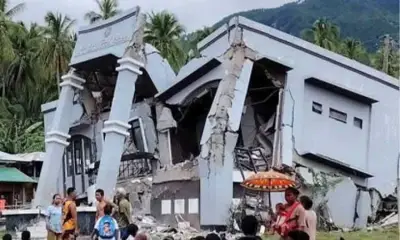
The recent tragedy at the Binaliw landfill in Cebu City has sent shockwaves across the Philippines, forcing the nation to confront a haunting question: did we learn nothing from the catastrophic Payatas disaster? This new incident, which claimed dozens of lives, mirrors the 2000 Quezon City catastrophe where an estimated 300 people perished.
From Payatas to Binaliw: A History of Failure
The Payatas disaster on July 10, 2000, remains a dark chapter. An open dumpsite, after years of unchecked waste dumping, formed a dangerous mountain of garbage overlooking communities. After heavy rains from a typhoon, the mountain collapsed, burying shanties and their sleeping occupants in an avalanche of mud and waste.
In response, reforms were enacted, including a ban on open dumpsites. The Binaliw facility was conceived as a modern solution—a sanitary landfill managed by a reputable private company, not a government-run or fly-by-night operation. It received an Environmental Clearance Certificate from the DENR in 2017 and a special land use permit from the Cebu City Zoning Board in 2018.

A Project Marred by Controversy and Doubt
Despite its intended design, the Binaliw landfill faced immediate skepticism. Then Mayor Edgar Labella initially refused its permit, fearing health risks for residents. He later relented, reportedly after prominent business owners behind the project assured him the risks were mitigated.
The facility's history is tangled in scandal. The original owners sold it to a company owned by billionaire Enrique Razon, but not before it became central to a corruption case. The National Bureau of Investigation filed criminal cases against former Labella administration officials, accusing them of conspiring with a garbage hauler to cheat the city through ghost or inflated deliveries to Binaliw. The operator avoided prosecution by reportedly refusing to participate in the alleged scheme.
The Unanswered Questions and Path Forward
The core question remains: if Binaliw was a permitted, privately-run sanitary landfill, where and how did the system fail to prevent a tragedy reminiscent of Payatas? The incident has not only caused loss of life but also exposed a platform for corruption, according to investigators.
Now, the decision rests with current Mayor Nestor Archival. Cebu City undeniably needs a functional waste disposal facility. The critical choice is whether to continue operations at the now-tragic Binaliw site or seek an alternative, ensuring that the hard lessons from two devastating landfill failures are finally, and fully, learned.