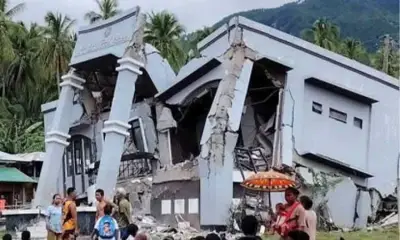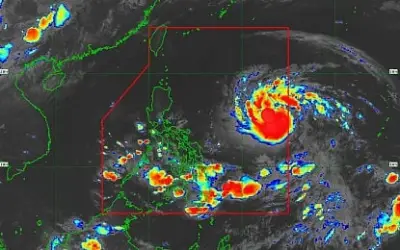
A magnitude 5.1 earthquake struck Bogo City in the northern part of Cebu Province, an event that cannot be considered merely an ordinary natural occurrence. Instead, it serves as a bitter reminder of the first tragedy that shook this city.
Reigniting Trauma and Fear
Although the Philippine Institute of Volcanology and Seismology (Phivolcs) stated that the Monday, April 6, 2026 earthquake was part of the aftershock sequence from the terrifying magnitude 6.9 quake on September 30, 2025, it inevitably brought back fear and trauma among residents. Fortunately, the recent tremor did not cause significant physical damage, but this is not the true measure of its impact.
The Deeper Psychological Scars
The deeper damage lies in the psychological state of the people. Residents' expressions of being traumatized show that the effects of the previous earthquake have not fully healed. Another shaking event has introduced fresh fear, which could lead to panic. This raises critical questions about community resilience beyond physical infrastructure.

Government and Community Readiness
Is the government adequately prepared in the physical aspect of disaster response? How ready is the community to face the mental and emotional effects each time an earthquake emerges? The ongoing warnings from the Office of Civil Defense (OCD) to stay alert and avoid panic are correct, but they are insufficient without a robust psychosocial support program for those affected.
Learning from the Ring of Fire
It cannot be denied that the Philippines is located in the Ring of Fire, and earthquakes like this are unavoidable. However, each incident must become a lesson. The local government of Bogo City and the entire province of Cebu must strengthen disaster preparedness—not only through evacuation drills and rapid assessment but also by educating the public on how to manage fear and tension during calamities.
A Collective Challenge
In the end, an earthquake is not just a test of our infrastructure but of our collective readiness as a community. The psychological aftermath underscores the need for holistic approaches that address both physical safety and mental well-being, ensuring that residents are supported in every aspect of recovery and future resilience.