Six Months After Devastating Quake, Cebu Families Still Await Permanent Housing
Six months after a magnitude 6.9 earthquake struck northern Cebu, dozens of families remain in temporary shelters, while others continue to live in unsafe areas. Local governments are working to secure relocation sites, but residents are often reluctant to move away from their livelihoods, complicating recovery efforts.
Ongoing Displacement and Shelter Challenges
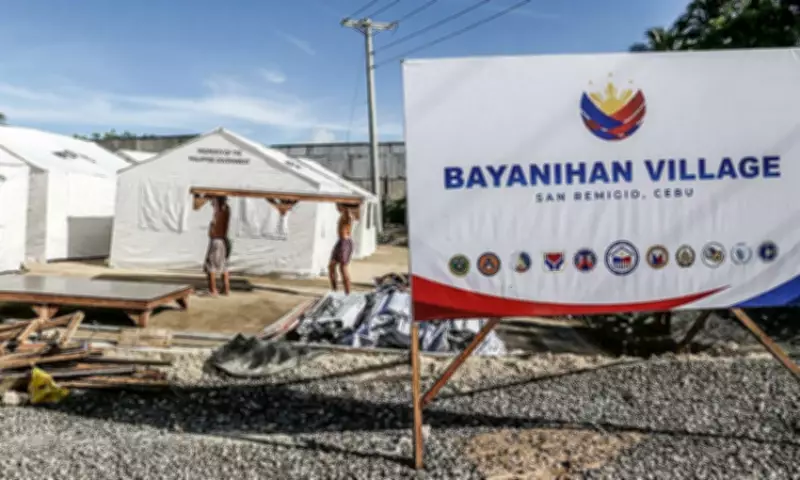
San Remigio Mayor Mariano Martinez, in a phone interview on March 29, 2026, reported that around 90 families are still staying in tent cities. Others are housed in temporary smart houses provided by the Department of Human Settlements and Urban Development (DHSUD), intended for short-term use. Martinez emphasized that the agreement covering these smart houses is valid for only one year, after which the units will be removed.
We are working as far as we can... We really have to transfer them, but there is no one to build housing for them yet, said Martinez, noting that most affected individuals are impacted by the town's sinkholes. The earthquake on September 30 displaced residents in Bogo City and several nearby towns, including San Remigio, causing extensive damage to homes, buildings, roads, bridges, and infrastructure.

Relocation Efforts Face Significant Delays
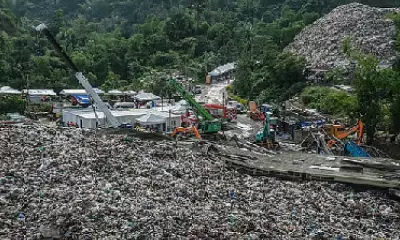
Martinez explained that a proposed government relocation site has been submitted to the DHSUD, but approval remains pending. The site must also be cleared by the Department of Environment and Natural Resources–Mines and Geosciences Bureau to ensure safety. Meanwhile, an artificial dam that formed between Barangay Gaway-Gaway in San Remigio and bordering Bogo City has been cleared and is now free-flowing.
Families affected by landslides have been relocated to safer ground and provided with materials to rebuild their homes. However, while thousands of families were initially identified for relocation, further assessments show some houses can be rebuilt in their original areas. Martinez added that some residents opt to stay in hazardous zones near sinkholes and fault lines due to livelihood concerns.
Town officials are focusing on relocating families from Barangays Hagnaya, Punta, Lambusan, and Bagtic to safer areas. They have explored renting properties within affected barangays to allow residents to stay near their homes and workplaces. This arrangement depends on whether homeowners cover the monthly rent or receive assistance from nongovernment organizations (NGOs).
Dependence on NGO Support and Similar Challenges in Neighboring Towns
Martinez highlighted that relocation efforts have largely depended on NGOs, which build small housing clusters on private, rented, or town-owned land. For now, NGOs are helping us by building relocation shelters, but these are on private lots or rented spaces, he said, noting that most projects accommodate only 12 to 20 families at a time, describing them as small efforts.
In neighboring Medellin town, Mayor Edwin Salimbangon reported similar challenges, with fewer than 30 families left to relocate. The Municipal Government is operating from temporary offices after the earthquake damaged its building, and plans for a new government center are on hold pending a land donation from a private individual.
Fewer families in Medellin still need relocation, many from sinkholes, landslide-prone, or heavily damaged areas in barangays such as Kurba and Laminta. However, some residents refuse to leave temporary shelters due to concerns over livestock or reluctance to move farther away. Salimbangon said local officials await financial assistance from the Office of Civil Defense to construct permanent housing at the identified relocation site in Barangay Kawit.