As 2025 draws to a close, the island of Cebu grapples with a profound heartbreak that extends far beyond the national conversation. A series of devastating natural events have left communities in the north displaced and in mourning, testing the very fabric of resilience and raising difficult questions about how society processes collective grief.
A Whirlwind of Tragedy Strikes Cebu
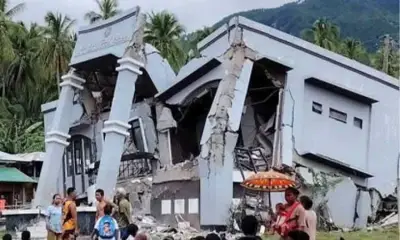
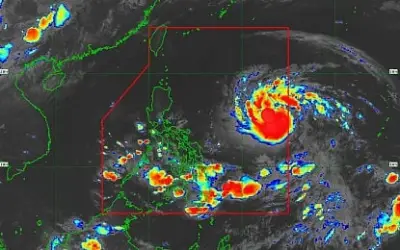
An earthquake first struck northern Cebu, violently unsettling homes, families, and daily routines. The tremors did more than shake the ground; they displaced entire communities, leaving behind a landscape of fear and instability. Before people could even begin to pick up the pieces, another calamity arrived. A powerful storm followed the quake, bringing with it massive flooding and, tragically, loss of life. These were not distant news items or abstract statistics. For Cebuanos, they were visceral, personal events that carved deep wounds into the community.
The Uneasy Choice to "Move On"
While nature ran its destructive course, the human response has become a complex and often painful choice. Survivors are left with the somber task of burying their loved ones, a process that demands time and quiet reverence. Concurrently, there exists a palpable impatience in the wider sphere—a rush to hype new issues, hoping public memory is short and focus will shift. This shift is not motivated by an end to the pain, but because sitting with the profound discomfort of ongoing grief has become inconvenient for some.

The impending turn of the calendar to 2026 offers an illusion of closure. It tempts us to wrap up a traumatic year with a neat bow and declare it history's problem. But as the author notes, there is no rule against lighting fireworks in February; one would simply look out of place. The pain of Cebu's dual disasters does not adhere to an arbitrary date. The real challenge lies in what follows the initial shock and the news cycles.
When Bad Taste is Quiet Impatience
Bad taste in the face of tragedy is not always a loud, offensive remark. More often, it manifests as a quiet impatience—a societal urge to move forward before the scale of loss has been fully acknowledged or reckoned with. Rage against such events can burn brightly but briefly, leaving little lasting substance. Judgment of how we handle these moments, however, endures. It lingers in the collective conscience.
Cebuanos have, without a doubt, been through a lot. The period of acute crisis may have an end, but not all endings are marked by dates on a calendar. Some cycles of grief and recovery only conclude when communities consciously choose to build something new from the ruins, not when they are pressured to pretend the ruins are no longer there. The harder work of true healing, which respects the pace of those most affected, remains Cebu's ongoing task as one year fades into the next.